
Toy & companion dogs
Companions first, and proud of it. Bred over centuries simply to be close — small, portable and devoted lapdogs. Most are content with modest exercise and a warm lap, though more than a few hide a surprisingly bold streak.
Traits of the group
Popular breeds

Cavalier King Charles Spaniel
UncommonEveryone's silky-eared friend.

Pug
CommonA lot of dog in a small space.

Chihuahua
CommonSmallest dog, biggest attitude.

French Bulldog
UncommonBat ears and big charm.
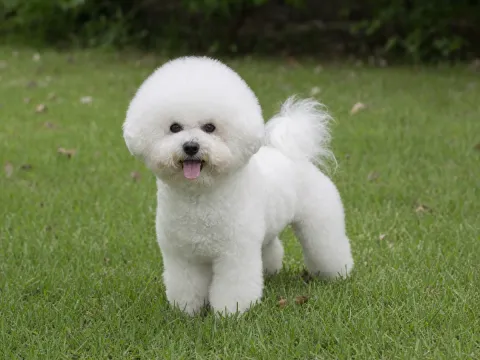
Bichon Frisé
UncommonA cheerful low-shedding powder-puff.

Pomeranian
CommonA fox-faced pom-pom of a spitz.
Every breed in this group (28)
























No breeds match those filters — try removing one.
Common questions
What are toy dogs?
Toy breeds were bred purely to be companions — small, portable dogs meant to live close to their people rather than work a job. Cavalier King Charles Spaniels, Pugs, Chihuahuas, French Bulldogs and Pomeranians are toy breeds, most under about 7 kg and built for a lap, not a field.
How big do toy breeds get?
Most stay under 7 kg (15 lb) fully grown, and several — Chihuahuas, Pomeranians — top out closer to 2 to 4 kg. Exact size varies a lot by breed, so check a specific toy breed's own numbers rather than assuming they're all Chihuahua-sized.
Are toy dogs good with kids?
It depends more on the child than the dog. Toy breeds are small and physically fragile, so rough handling by a young child can genuinely injure them; they suit families with older, gentler kids better than toddlers, and any interaction should be supervised.
Do toy dogs need much exercise?
Not much, physically — a short walk and some indoor play usually covers it, and several toy breeds are content as apartment dogs for that reason. Don't mistake small size for a low-energy personality, though; more than a few toy breeds have big, demanding attitudes underneath.
Are toy breeds good apartment dogs?
Generally yes — their modest exercise needs and small size make them some of the easiest dogs to keep in a flat, and many toy breeds are naturally content indoors.
Do toy breeds have health problems?
Several do, and it's worth researching before you commit to a specific breed. Dental crowding, luxating patella and heart conditions like mitral valve disease show up more often in toy breeds than in larger dogs, so a health-tested line and regular vet checks matter.
FCI groups
These are the AKC's seven groups. Most of Europe files dogs by the FCI's ten: