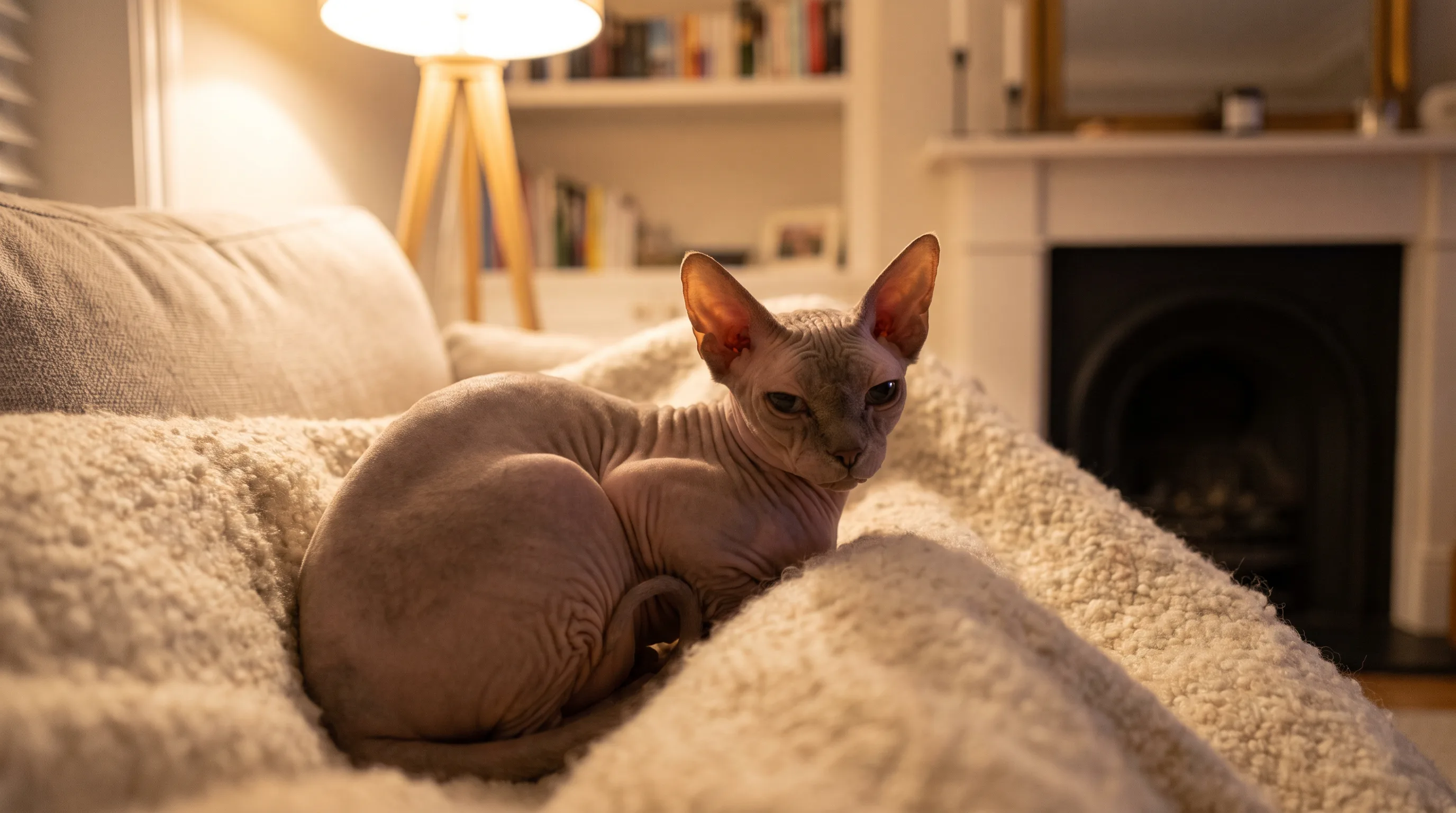
Hairless cat breeds: the four to know, and what no fur really costs
Hairless cats are the cat fancy's most honest trade: you give up fur, and in exchange you take over every job the fur was doing. Warmth, sun protection, oil absorption — all of it moves onto your to-do list. Here are the four breeds to know, the two separate genes behind them, and the two things every would-be owner should hear before falling for the wrinkles: a hairless cat is more work than a coated one, and it is not hypoallergenic.
Two genes, four breeds
Feline hairlessness arrived twice, independently. A recessive mutation in 1960s Canada founded the Sphynx: both parents must carry the gene, and the result is the sturdy, pot-bellied, suede-skinned extrovert most people picture. A separate dominant gene, found in Russia in the late 1980s, founded the Donskoy — and crossing Donskoy onto Oriental and Siamese lines produced the Peterbald, a long, fine-boned, talkative cat whose coat comes in grades from fully bald through peach-fuzz “flock” and “velour” to a wiry “brush”, and can change through a kitten's first years.
The fourth name is the odd one out: the Lykoi, the “werewolf cat”, is partially haired by yet another natural mutation — a sparse roan coat with a bald face and legs. Same conversation, different silhouette: every one of these cats has skin doing jobs that fur normally covers.
Skin care, not grooming
A coat normally wicks and absorbs the skin's oil. With no coat, the oil stays put, collecting on the skin, in the claw folds and in those oversized ears. The result is a maintenance routine no coated cat needs: a bath or thorough wipe-down every week or two for most Sphynx and bald-grade Peterbalds, regular ear cleaning, and nail-fold attention. Skip it and you get a greasy cat and stained furniture; overdo it and the skin answers with more oil. Each cat finds its own rhythm — some stay presentable on wipes alone.
Expect the other surprises too: hairless cats eat noticeably more than coated cats the same size, because keeping a bare body at 38 degrees burns real calories, and they feel like warm suede to the touch — the famous “hot water bottle” effect that makes them magnificent winter company and relentless duvet thieves.
Warmth, sun and the indoor rule
A hairless cat has lost its insulation and its sunblock in one gene. Indoors in winter it needs warm sleeping spots — a heated bed earns its keep, and plenty of owners keep a jumper for the coldest weeks without any embarrassment on the cat's part. Sunlight is the quieter danger: bare skin burns, and repeated sunburn carries the same long-term skin-cancer risk it does for people, so the sunny windowsill wants managing and unsupervised summer sunbathing is out.
All of which adds up to the indoor rule: these are indoor cats, full stop. Cold, sun, brambles and cat fights are all worse propositions without a coat, and every serious breed club says the same. A secured balcony or catio in mild weather is the honest compromise.
The allergy promise none of them can keep
The pitch writes itself — no fur, no allergies — and it's wrong. The main cat allergen, Fel d 1, is a protein from saliva and skin glands, not from fur. A hairless cat produces it, spreads it over its skin with every self-groom, and deposits it on everything it touches and everyone it climbs. Some allergic people genuinely do better around hairless cats, because there's no shed hair ferrying allergen around the house; others react to a Sphynx exactly as they react to any cat.
The only test that counts is the one with your own immune system: spend real time — an hour or more, ideally more than once — with the actual cat before any money changes hands. A reputable breeder will host that visit without being asked twice. The same honest caveat applies to every “hypoallergenic” breed, coated ones included.
Choosing well: health questions that matter here
For the Sphynx, the conversation is the heart. HCM — hypertrophic cardiomyopathy, the most common feline heart disease — is the breed's known shadow, and the right question for a breeder isn't “any heart problems?” but “how often are your breeding cats scanned?”: regular cardiac ultrasound of the breeding stock is the standard that matters, because no simple DNA test clears a Sphynx. The Peterbald and Donskoy are young breeds with small gene pools — fewer documented signature diseases, but also less data, which makes an open-book breeder more important, not less.
Budget honestly: baths, heating, bigger appetites and the usual pedigree price of admission. For homes that want maximum cat contact — a warm, demanding, acrobatic companion with no hair on the sofa and quite a lot of cat in your bed — the trade is famously worth it. The pair-by-pair comparison of the two big hairless breeds is in Sphynx vs Peterbald.
Common questions
What cat breeds are hairless?
Four to know: the Sphynx (the Canadian original, recessive gene), the Donskoy (Russia's dominant-gene hairless), the Peterbald (the Donskoy gene on a Siamese-Oriental frame, with coat grades from bald to brush), and the partially-haired Lykoi, the 'werewolf cat' with a bald face and sparse roan coat.
Are hairless cats hypoallergenic?
No. The main allergen, Fel d 1, comes from saliva and skin, not fur, and hairless cats produce and spread it. Some allergic people cope better without shed hair carrying allergen around; others react fully. Spend real time with the specific cat before committing.
How often do you bathe a Sphynx?
Most need a bath or a thorough wipe-down every one to two weeks, plus regular ear cleaning and nail-fold care, because the oil a coat would absorb sits on the skin. Over-bathing backfires by provoking more oil; each cat settles into its own rhythm.
Do hairless cats get cold?
Constantly — they've lost their insulation, which is why they live under duvets and on laps. They need warm indoor sleeping spots, a heated bed in winter earns its keep, and an indoor-only life is the standard recommendation from every serious breed club.
Can hairless cats go outside?
They shouldn't roam. Cold, sunburn (with its long-term skin-cancer risk), scratches and fights are all worse without a coat. A secured catio or supervised balcony time in mild weather is the honest compromise.
Are hairless cats healthy?
Broadly yes, with homework. The Sphynx's known risk is HCM, a heart disease — ask breeders how often their breeding cats get cardiac ultrasounds. Peterbald and Donskoy are young breeds with less data, which makes an openly health-focused breeder more important, not less.
See also
More in Cats
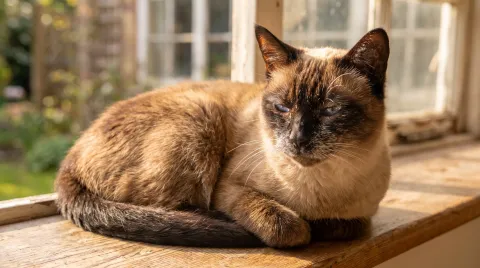
The longest-lived cat breeds, and what actually adds years
Siamese and Russian Blues regularly see their late teens; some cats double a dog's run. The breeds with the long odds — and the honest truth that how a cat lives beats what it was born as.
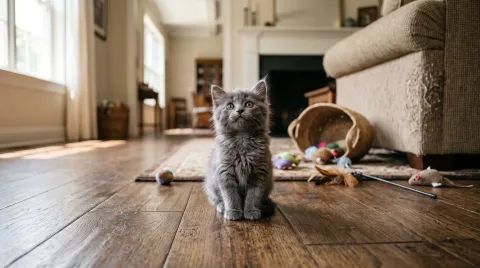
Single kitten syndrome: real, overstated, or both?
Rescues warn that a lone kitten becomes a biting, yowling tyrant, and some won't rehome singles at all. The evidence is thinner than the warnings — but the thing underneath the branding is real. An honest sort-out.
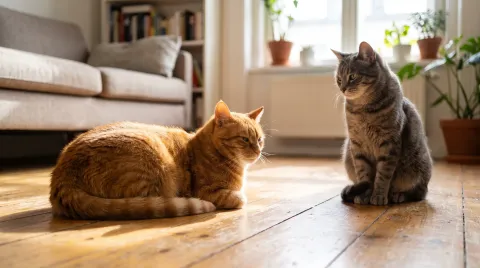
How to introduce a new cat to your resident cat
The scent-swap protocol that actually works, step by step — with realistic timelines and the signs that mean you moved too fast.
The new-cat checklist: what to set up first
The five essentials, one safe room and a cat-proofed home to set up before adoption day, so your new cat has somewhere calm to land from hour one.
Helping a shy rescue cat settle in
A shy rescue cat hiding for days is normal, not rejection. One quiet room, a hiding spot and patience settle almost any scared cat. Here is how.
Adopting a senior dog or cat
What to expect when you adopt an older dog or cat: the calm, the fast bond, the vet planning, and the honest trade-off of less time.