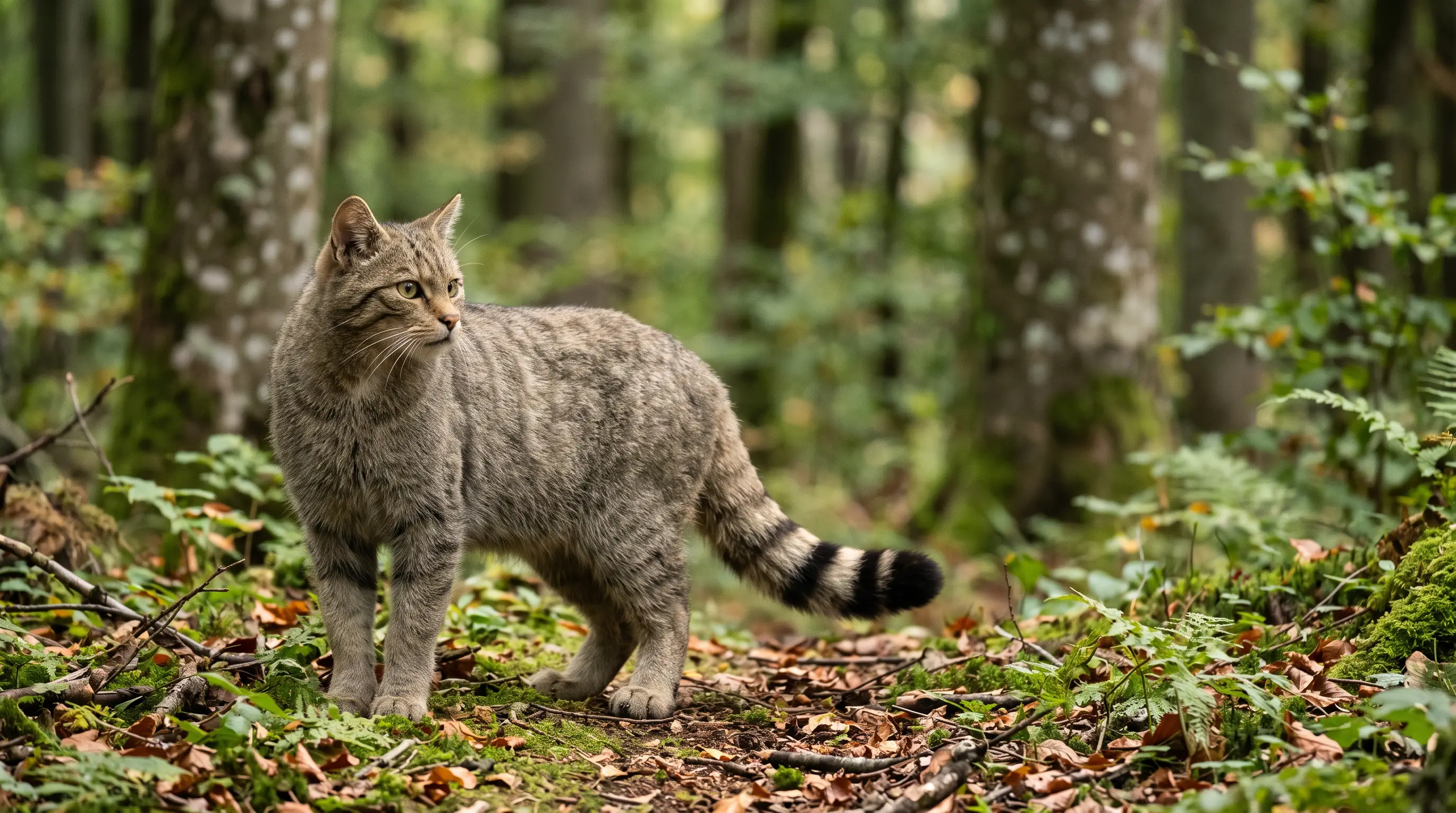
Wildcats: the species, and the hybrid problem
Which cats are genuinely wild, how researchers tell a wildcat from a tabby, and why breeding with domestic cats is what is pushing them out.
Start here
Everything in this collection
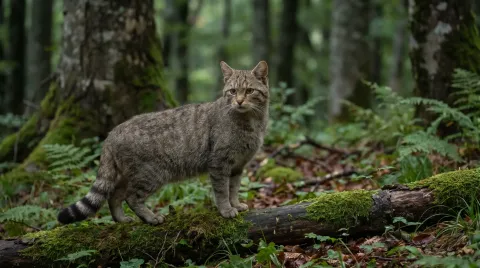
Italian wildcat: spotting a true Felis silvestris
Italy has a genuine native wild cat hiding in its forests. Here is how to tell one from a big farmyard tabby, and why it needs protecting.
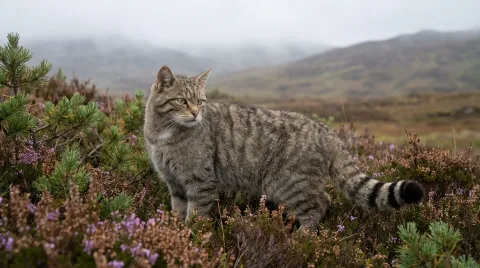
Scottish wildcat: not extinct, not a subspecies
The most-quoted fact about the Scottish wildcat misstates its own source. What the 2019 IUCN review really said, and where the cats stand in 2026.
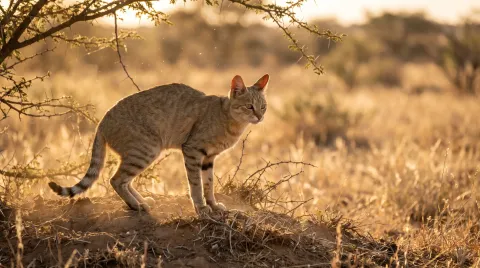
African wildcat: the real ancestor of your cat
Your cat descends from Felis lybica, a North African animal most people cannot name. In November 2025 the standard account of how it reached Europe broke.
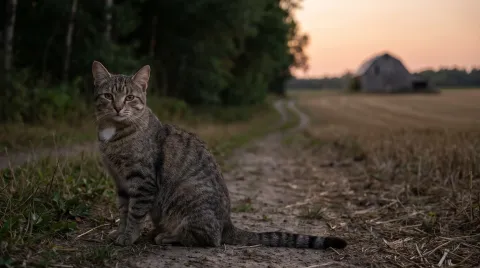
Wildcat hybridisation: how a species gets absorbed
Even a low crossbreeding rate assimilates a wildcat population past halfway inside a century. Why "only a few hybrids" is not the reassurance it sounds like.

European wildcat vs domestic cat: how to tell
You cannot do it by eye. On the same cats, coat scoring rated 0.854 and the genome 0.984, and the strict visual cut-off loses real wildcats.
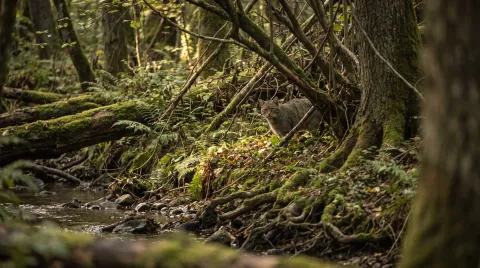
The forest a European wildcat actually needs
Woodland to shelter and den in, open edge to hunt over, and corridors between the two. What the radio-tracking and genetics really show.
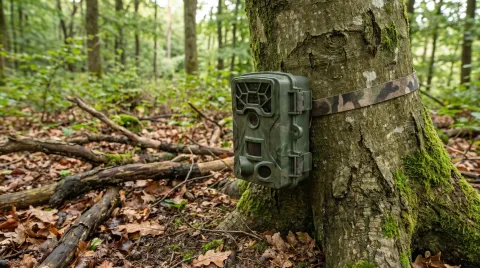
Wildcat conservation: law, cameras and cryptic extinction
How you save a species you cannot count: the law, the genetics labs, and the honest gap between what works and what is only worth trying.
Where do wildcats live? The two-species map
Since 2017 the wildcat is two species, not one. Here is where each lives, why the US bobcat isn't one, and where the map is still being drawn.
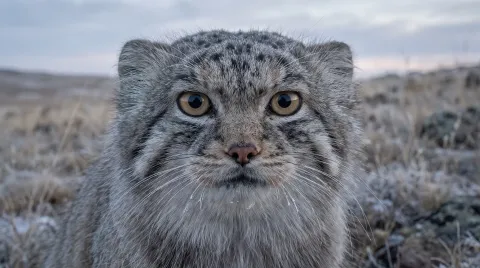
8 small wild cats you've never heard of
Eight small wild cats — from the deadliest hunter on Earth to the ancestor of your housecat — and where each one still lives.
Why a wildcat is so hard to count
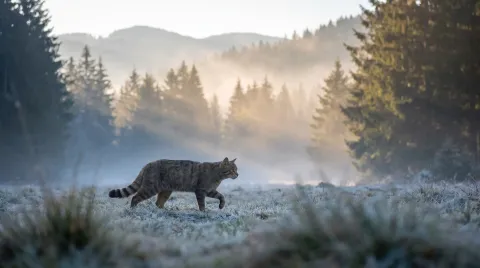
A wildcat is one of the few wild animals in Europe you could walk straight past and file as somebody's pet. That is most of the problem in one sentence. The European wildcat, Felis silvestris, is a native forest species that was never domesticated, and it looks close enough to a grey-brown farmyard tabby that researchers stopped trusting photographs: scored against genetic testing, the standard seven-character coat assessment is a much weaker discriminator, and at its strictest threshold it rejects nineteen genuine wildcats to avoid a single false positive. The field marks that do hold up are the tail and the spine. Thick, blunt, ringed with clean black bands, ending in a rounded black tip, with the dark dorsal stripe stopping at the base of the tail instead of running down it.
The second thing worth knowing is that your cat is not descended from this animal. The domestic cat traces back to the African wildcat, Felis lybica, which the 2017 revision of cat taxonomy separated out as a species in its own right. The two lineages stayed close enough to interbreed and produce fertile kittens, which is why free-roaming domestic cats rather than hunting or traps are the pressure that matters now. The European wildcat research consortium put a number on how little it takes: even seemingly low rates of hybridisation assimilate a wildcat population more than halfway into domestic cats in under a century. Scotland is what the far end of that looks like.