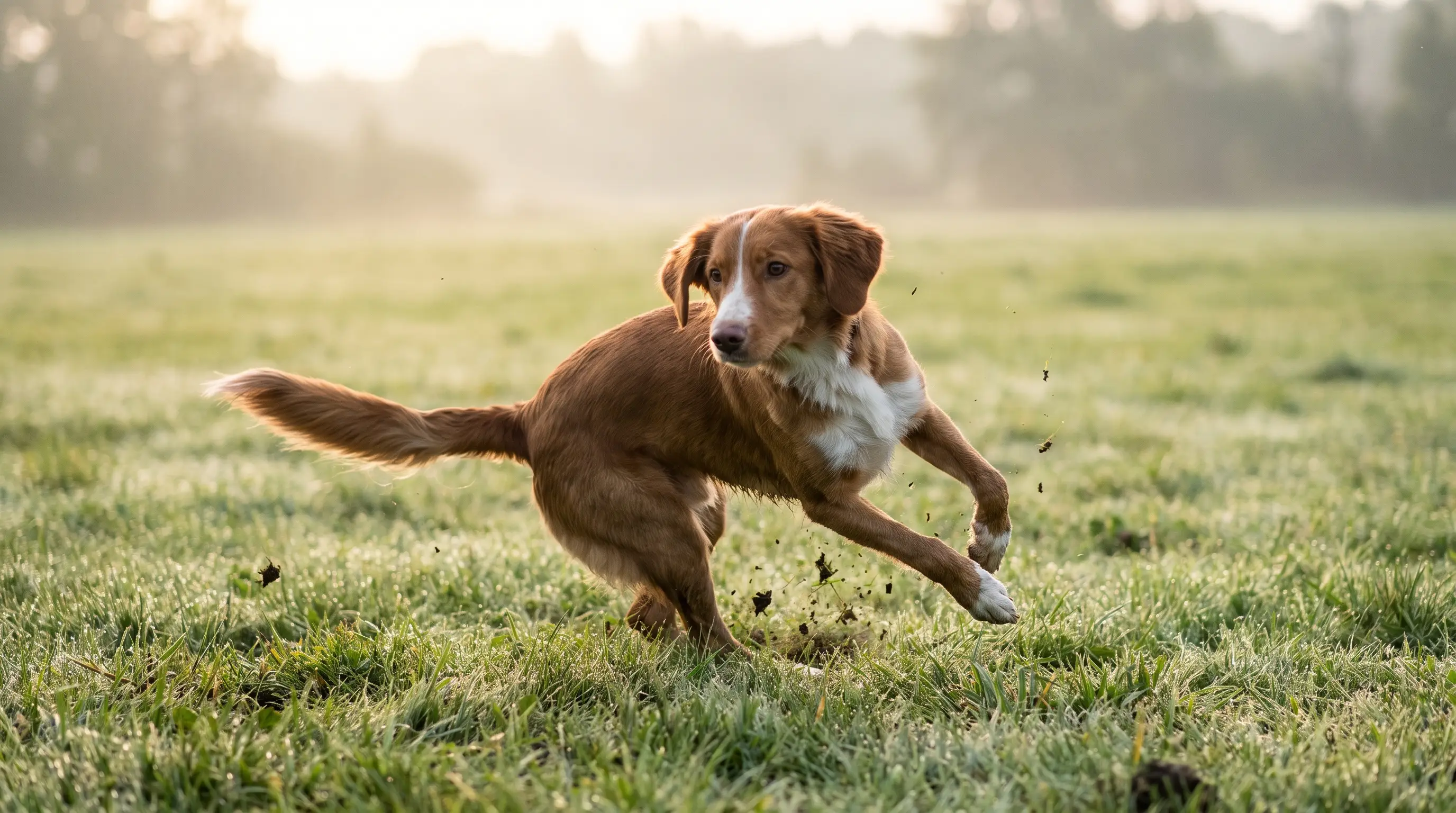
Dog body language: what your dog is really telling you
Dogs are talking to us all the time, just not with words — and most of the misunderstandings between people and dogs come from reading one signal in isolation. A wagging tail is not a guarantee of a friendly dog; a yawn is not always tiredness. The skill worth learning is reading the whole dog at once, in context, so you can tell a comfortable dog from a worried one and step in before a worried one feels it has to growl or snap. Here is how to read the signals that matter.
Read the whole dog, not one signal
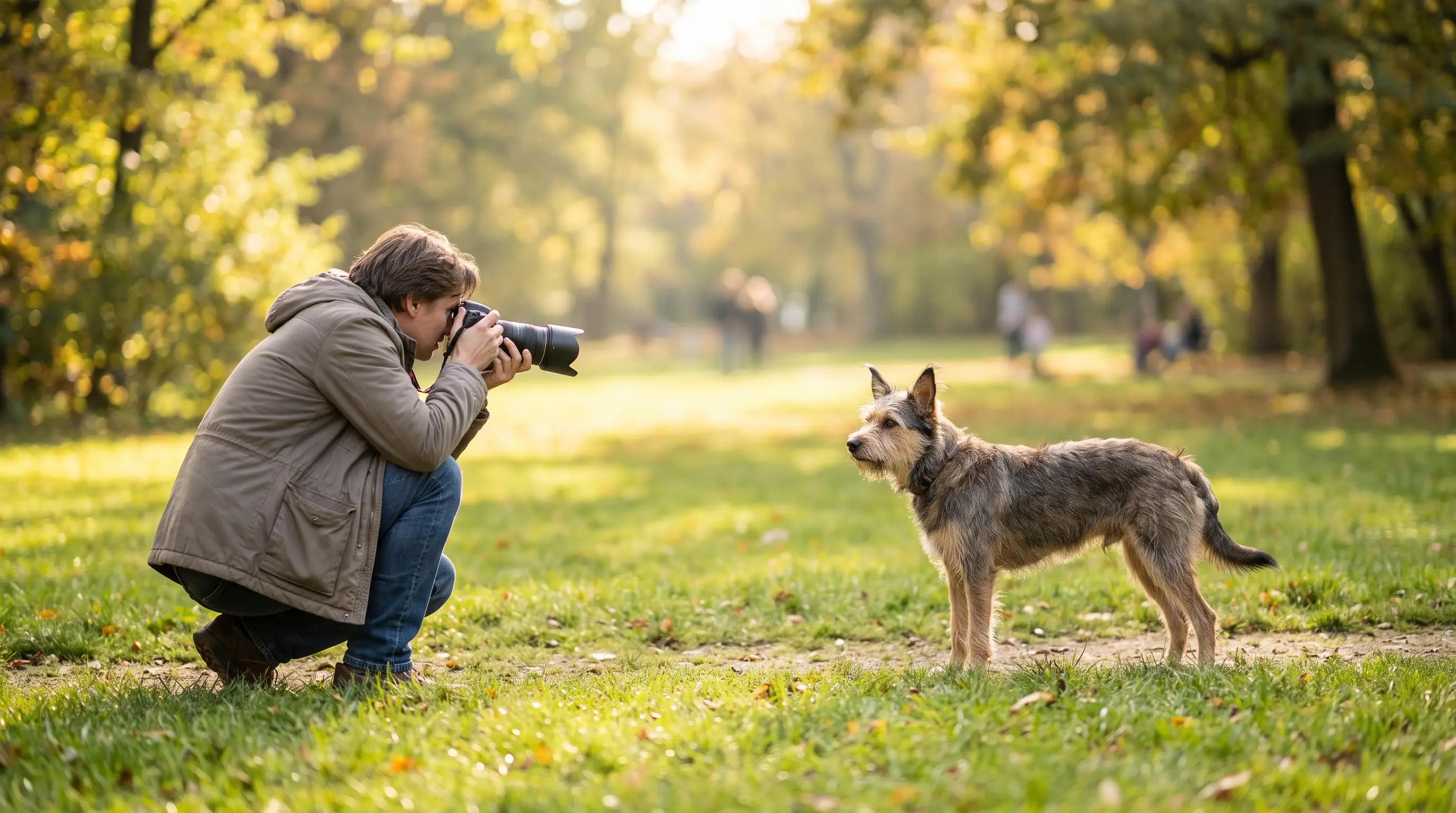
The single most useful rule is that no one body part tells the story. A dog's tail, ears, eyes, mouth and overall posture work together, and the same tail wag can mean completely different things depending on what the rest of the body is doing. People get bitten by "friendly, wagging" dogs precisely because they read the tail and ignored the stiff body, hard stare and closed mouth above it. Take in the whole animal, and take in the situation it is in, before you decide what it feels.
Two states are worth learning to tell apart at a glance. A relaxed, comfortable dog is loose: soft eyes, an open mouth that looks almost like a smile, a wagging tail at mid-height, weight balanced, muscles easy. A stressed or worried dog is the opposite: tight and still, weight shifted, mouth closed, eyes hard or darting. Loose and wiggly is good; stiff and frozen is a warning, whatever the tail is doing.
The tail: speed, height and direction all matter
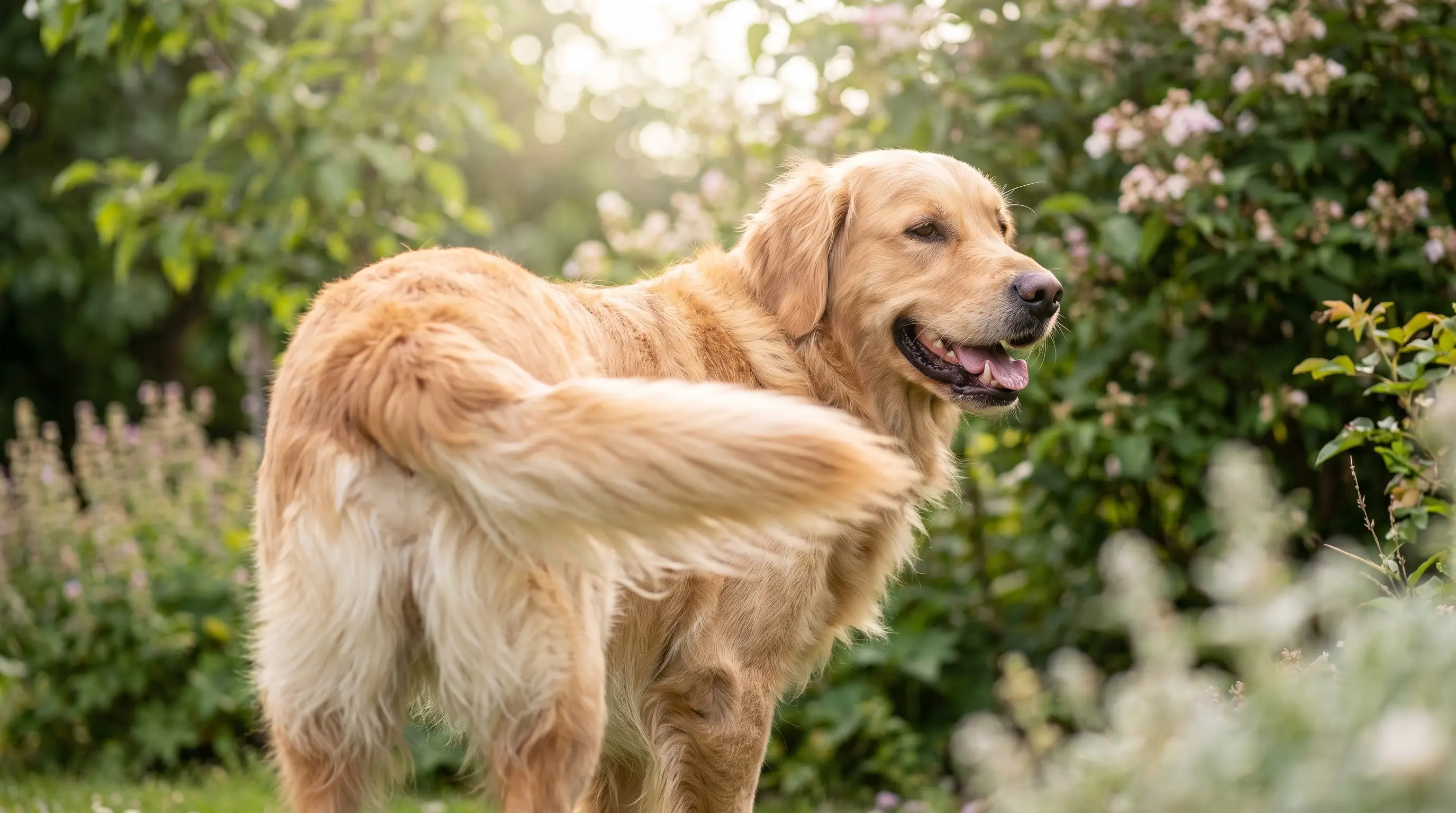
A wagging tail means the dog is aroused and engaged, not necessarily happy — arousal can be friendly or it can be tense. What separates them is how the tail moves. A loose, sweeping wag at mid-height, often with the whole back end wiggling, is a genuinely happy, relaxed dog. A high, stiff tail vibrating in fast little movements is a tense, highly aroused dog that may be about to react. A low or tucked tail is worry or fear. We go deeper into the mechanics in what a dog's tail is actually for.
There is even a direction bias that research has picked up: dogs tend to wag slightly more to their right when they feel positive about something, and more to their left when they feel negative or wary. You do not need to measure angles on a walk, but it is a good reminder that a wag is a sentence, not a single word — read its speed, its height and the body carrying it.
Ears, eyes and mouth: the face tells you a lot
The face fills in the detail. Ears pricked forward mean alert interest; ears pinned flat back mean fear or appeasement, though you have to know the dog's natural ear set to judge it. The eyes matter enormously: soft, blinking eyes are a calm dog, while a hard, fixed stare is a serious signal to back off. Watch for "whale eye" — when a dog turns its head away but keeps its eyes on something so you see the whites at the corner. That is a clearly uncomfortable dog, often guarding a resource or wanting space, and it is a common pre-bite warning that people miss.
The mouth is just as telling. A relaxed dog has a slightly open mouth and may pant softly and evenly. A dog that suddenly closes its mouth, goes tight-lipped, or stops panting has just registered something it is not happy about. A yawn or a quick lick of the lips when there is no food around is usually not tiredness or hunger at all, but a small stress signal — which brings us to the quiet language of calming signals.
Calming signals: the quiet requests for space
Dogs have a set of subtle gestures, popularised as calming signals, that they use to defuse tension and ask for space — from other dogs and from us. Lip licks, yawns, turning the head or whole body away, sniffing the ground for no obvious reason, moving in a curve rather than straight on, and slowing right down are the common ones. On their own each is trivial, but when they cluster in a tense moment they are the dog saying, calmly, "I'm not comfortable, please ease off."
Learning to notice these changes how you handle a dog. A dog that yawns and turns away when a child leans over it is not being rude; it is politely trying to avoid conflict, and it is your cue to give it room rather than push the interaction. The play bow — front end down, back end up, tail wagging — is the happy opposite: an unmistakable invitation to play, and a signal that whatever follows, even growly and toothy, is meant in fun.
Putting it together — and why it prevents bites

Reading a dog well is mostly about spotting the slide from comfortable to uncomfortable early, and acting on it. Most bites are not bolts from the blue; they are the end of a ladder of ignored signals — look away, lip lick, yawn, stiffen, whale eye, low growl — that a person walked straight past. A dog that learns those quiet requests get ignored may eventually skip them and go to the growl or snap that does work. Listening to the early signals keeps everyone safer and teaches the dog it can trust you to notice.
Two practical habits help most. First, never tell a dog off for growling — a growl is priceless honesty, and punishing it just removes the warning while leaving the fear. Second, always let a dog opt out: if it turns away, hides, or freezes, give it space rather than pursuing the cuddle. If you want to build the kind of two-way communication that makes a dog easy to read and easy to live with, reward-based work like recall training is a good place to start, because it teaches you to watch the dog as closely as it watches you.
Common questions
Does a wagging tail always mean a dog is happy?
No. A wag means the dog is aroused and engaged, which can be friendly or tense. A loose, mid-height, whole-body wag is a happy dog; a high, stiff, fast-vibrating tail is a tense, highly aroused dog that may react. Always read the wag alongside the rest of the body.
What is 'whale eye' in dogs?
Whale eye is when a dog turns its head away but keeps its eyes fixed on something, so you see the whites at the inner corner. It signals a clearly uncomfortable dog, often one guarding a resource or wanting space, and it is a common warning sign that people miss before a bite.
What are calming signals in dogs?
Calming signals are subtle gestures dogs use to defuse tension and ask for space — lip licks, yawns, turning away, sniffing the ground, moving in a curve, slowing down. When several cluster in a tense moment, the dog is politely saying it is uncomfortable and would like you to ease off.
How can I tell if my dog is stressed?
A stressed dog tends to go tight and still: closed or tight mouth, hard or darting eyes, ears pinned, weight shifted, tail low or stiff, plus calming signals like yawning and lip licking out of context. Loose and wiggly is comfortable; stiff and frozen is a warning.
Should I punish my dog for growling?
No. A growl is honest, valuable information that your dog is uncomfortable. Punishing it can remove the warning while leaving the underlying fear, making a bite more likely and less predictable. Instead, respect the growl, give the dog space, and address what worried it.
More in Dogs
Dog separation anxiety: signs, causes and the fix that works
The chewed door frame isn't revenge — it's panic. How to tell true separation anxiety from boredom, what actually rewires it, and the popular fixes that make it worse.

Why is my dog aggressive? Causes and what actually helps
Aggression is communication with the volume turned up — and almost never dominance. The real causes, the warning ladder your dog is climbing, and the fixes that don't remove the warnings.
Why does my dog eat poop? The science and the fix
Coprophagia is common, mostly harmless, and almost never a nutrient cry for help. What the research actually found, when it is a medical flag, and what stops it — spoiler: not pineapple.
Leash reactivity: why your dog lunges on the lead, and the fix
Friendly off-lead, a roaring spectacle on it — leash reactivity is the lead itself changing the maths. What drives the display, why punishing it backfires, and the training that works.

Why does my dog chew everything? Causes and the fix
Chewing is a need with nowhere legal to go — not a vice to stamp out. Why the sofa keeps losing, what the destruction is telling you, and the redirect that saves your shoes.
Do dogs love their owners? What the science measured
Yes — and unusually for a question about feelings, we have the receipts: oxytocin loops, attachment tests and brain scans. What dog love is made of, and what it looks like from the sofa.