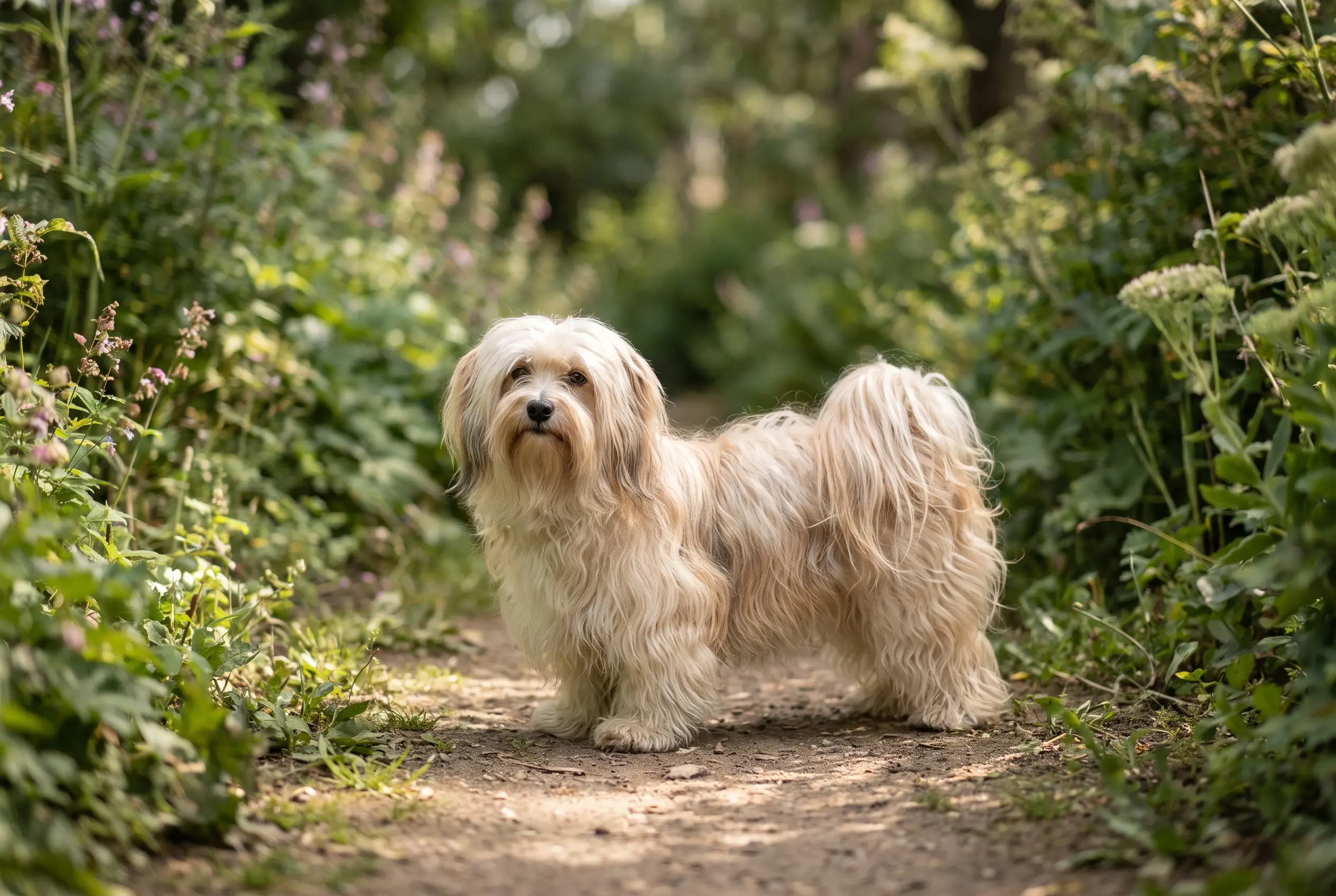
Best dogs for anxiety
A calm, deeply attached dog can be a genuinely steadying presence — ranked by our data on affection, moderate energy and trainability. A pet dog isn't a substitute for treatment, and it isn't automatically a registered support animal; more on that below.
Prefer a personal match? Take the 60-second breed finder →
The ranked shortlist
Hand-picked by our editors using breed trait profiles — scores are out of 5.
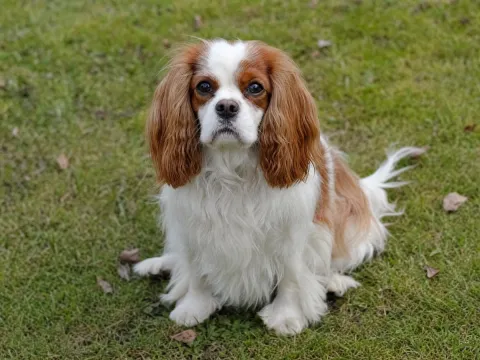
1. Cavalier King Charles Spaniel
5/5A silky-eared lapdog with a spaniel's heart — sweet, gentle, everyone's friend.
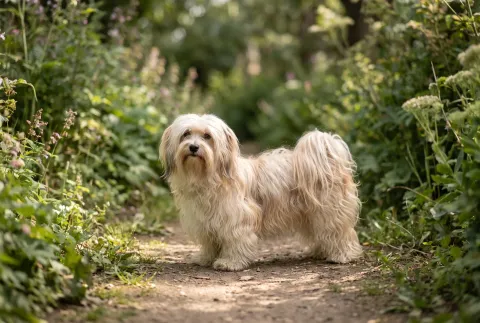
2. Havanese
5/5Havana's silk-coated charmer — a small dog with a headline personality.
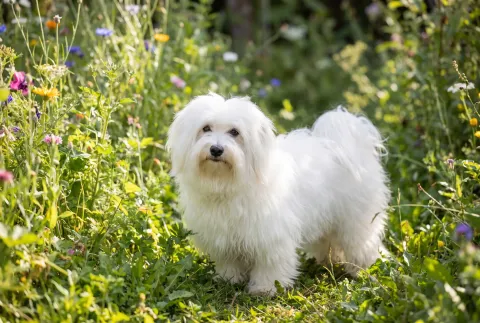
3. Coton de Tulear
4/5A cloud of cotton with a comedian's timing.
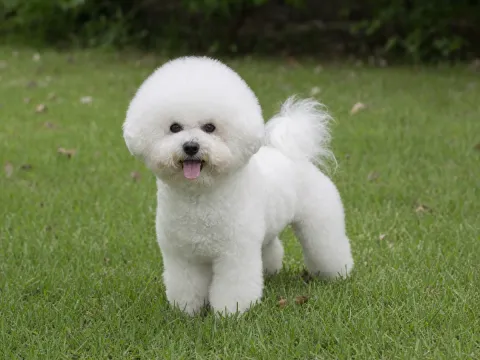
4. Bichon Frisé
4/5A cheerful powder-puff — low-shedding, people-loving and endlessly merry.
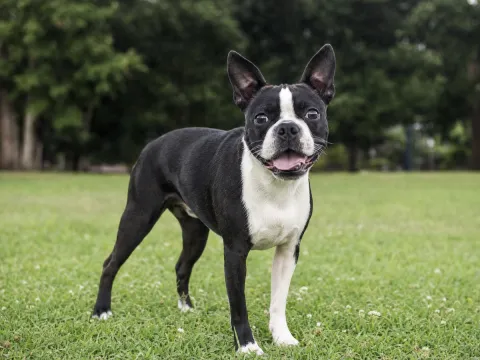
5. Boston Terrier
4/5The 'American Gentleman' — a dapper, bat-eared charmer in a tuxedo coat.
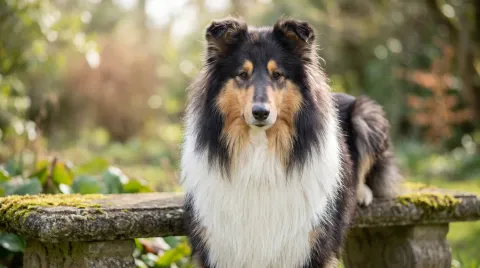
6. Collie
4/5The storybook shepherd — grace, brains, and a heart tuned to children.
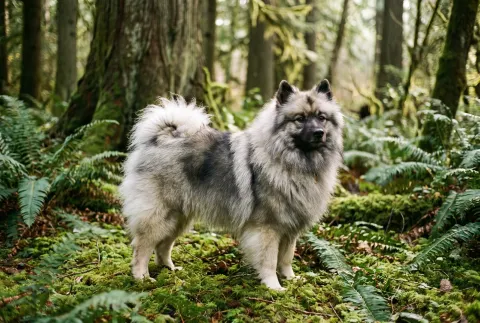
7. Keeshond
3/5The smiling barge dog of the Dutch canals, wearing spectacles it never takes off.
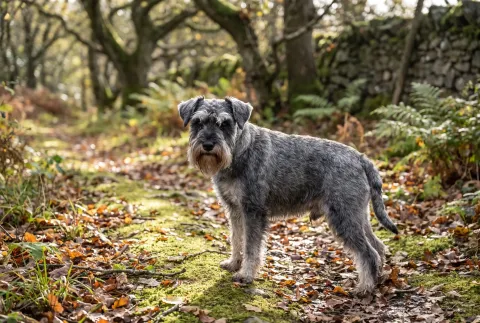
8. Miniature Schnauzer
3/5A bearded farm ratter turned family sentinel — small dog, serious opinions.
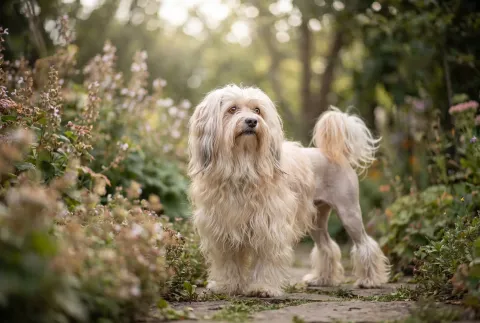
9. Lowchen
3/5The little lion dog — clipped like royalty, rare as it looks.
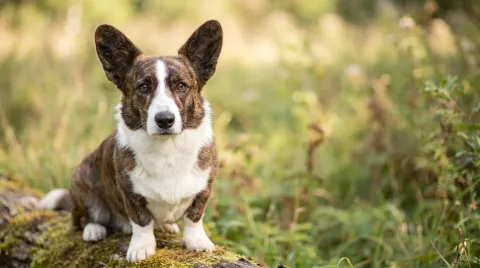
10. Cardigan Welsh Corgi
3/5The corgi with the tail — older, steadier, and every bit as low to the ground.
What helps an anxious owner, specifically
Three things matter more than looks or size: attachment (how affectionate a breed tends to be with its own family, not just generic friendliness toward everyone), a level temperament (moderate energy, so the dog itself doesn't add chaos to the house), and trainability (a predictable dog is easier to read, which matters when you're already reading your own state closely). Worth being precise about: these are family pets chosen for a calming home life, not trained working animals — a psychiatric service dog is trained to perform specific tasks for a diagnosed condition and, in some countries, carries legal public-access rights, while an emotional support animal typically needs no special training and has much narrower legal recognition. Rules vary a great deal by country, so check local law rather than assuming either status transfers automatically. Good news for people living alone too: several of these breeds are famously content bonding to one devoted owner without needing other pets around.
Common questions
Can a dog actually help with anxiety?
Companionship, routine and physical touch from a pet are widely reported to ease day-to-day stress, and structured programs use trained animals for exactly this reason. A pet dog itself isn't medical treatment and doesn't replace therapy or medication — think of it as one supportive habit alongside proper care, not a substitute for it.
What's the difference between a pet dog, a therapy dog and a service dog?
A pet dog comforts its own household. A therapy dog is trained and handled to comfort other people, usually in hospitals or schools — see our therapy dogs list. A psychiatric service dog is trained to perform specific tasks for a diagnosed condition and, in some countries, carries legal public-access rights, while an emotional support animal typically needs no special training and has narrower legal recognition. Rules vary widely by country, so check local law before relying on any of these distinctions.
Which dog temperament traits matter most for an anxious owner?
Attachment and affection, a level and moderate-energy temperament, and trainability or predictability — the same three we ranked this list on, ahead of size or looks. A dog that's easy to read tends to be easier to live alongside when your own state is already asking for attention.
Is a puppy or an adult rescue dog better for someone with anxiety?
Often an adult, temperament-known rescue. Puppyhood itself is demanding — housetraining, unpredictable behaviour, disrupted sleep — and can add stress rather than reduce it. An adult dog with a known, calm personality tends to be the gentler start.
What's the best dog for someone living alone?
A breed high in affection and comfortable without other pets around tends to bond tightly with a single owner rather than needing a pack — several picks here, like the Cavalier King Charles Spaniel and Havanese, are classic one-person companions. Any dog living with a solo owner still needs a real plan for company and a bathroom break during a full workday.