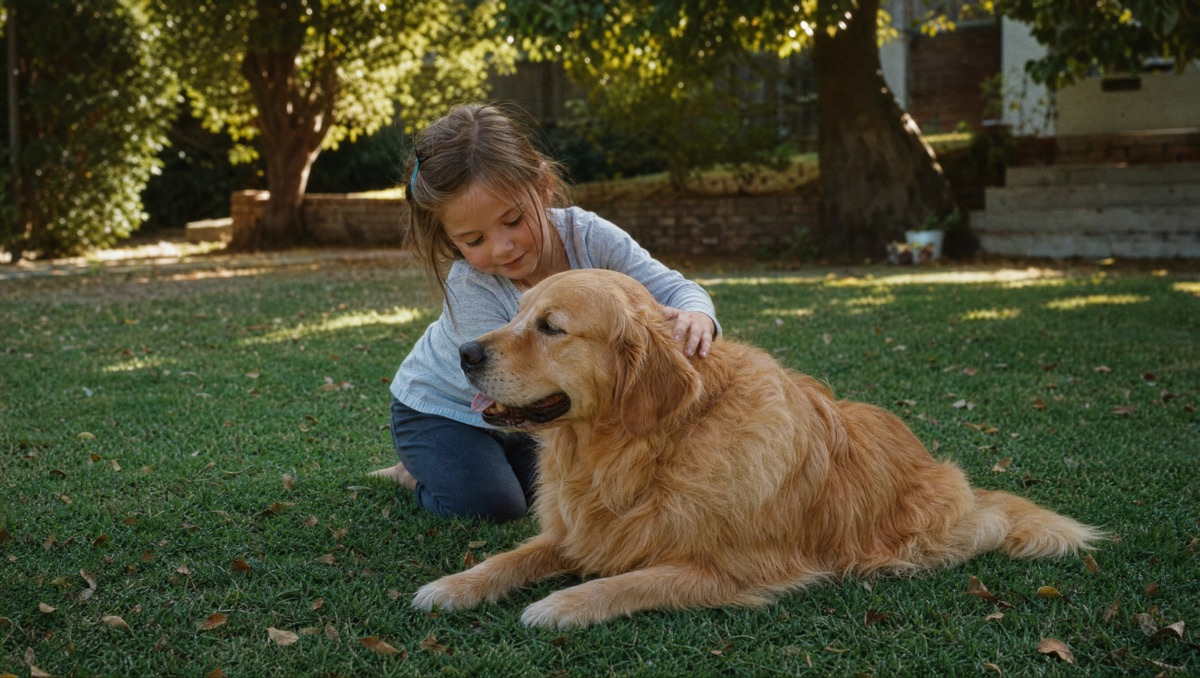
Best family dogs
Gentle, patient and sturdy enough for life with children — the breeds that take a busy household in stride.
Prefer a personal match? Take the 60-second breed finder →
The ranked shortlist
Hand-picked by our editors using breed trait profiles — scores are out of 5.
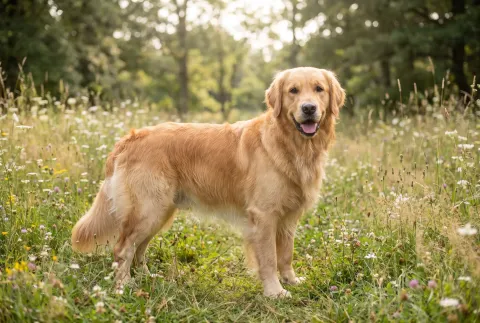
1. Golden Retriever
5/5Gentle, patient, forever a puppy.
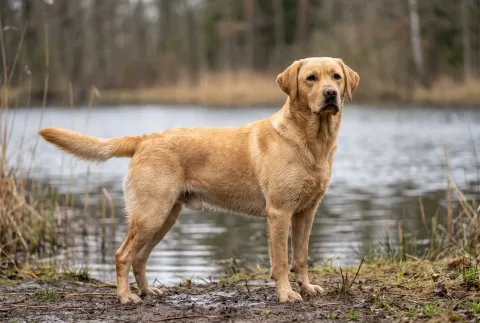
2. Labrador Retriever
5/5The world's favourite family dog.
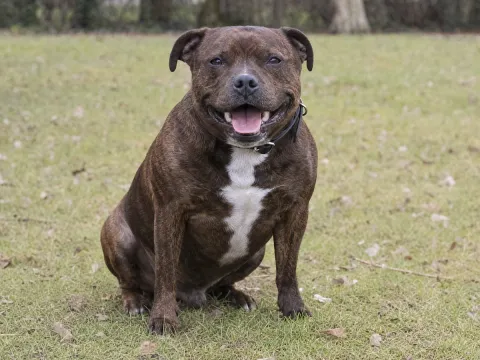
3. Staffordshire Bull Terrier
5/5The 'nanny dog' — muscular, soppy and famously fond of children.
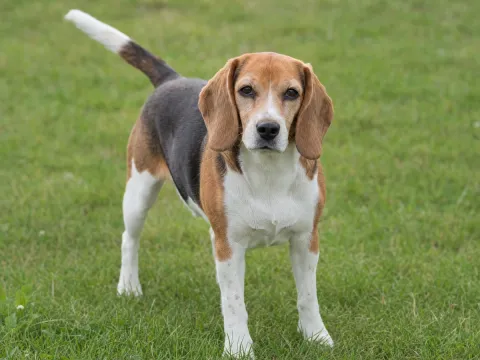
4. Beagle
4/5A nose with a dog attached — merry, musical and mischievous.
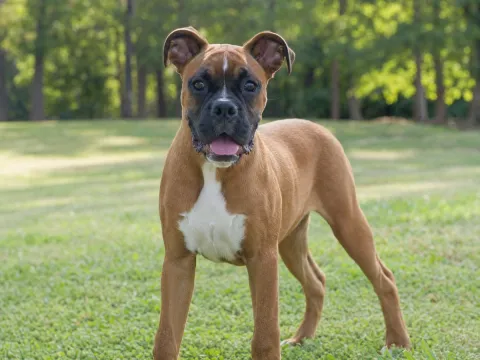
5. Boxer
4/5The clown of the working group — a bouncy, big-hearted goofball.
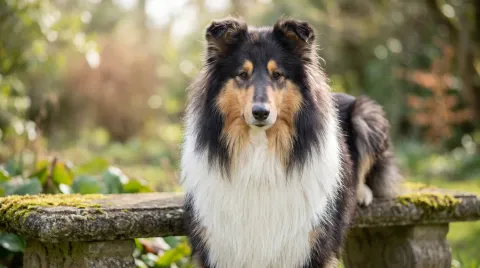
6. Collie
4/5The storybook shepherd — grace, brains, and a heart tuned to children.
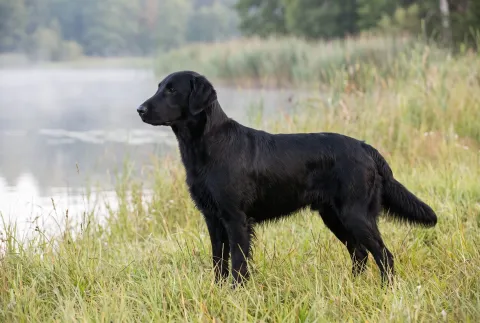
7. Flat-Coated Retriever
4/5The Peter Pan of retrievers — a gleam of black feathering that refuses to grow up.
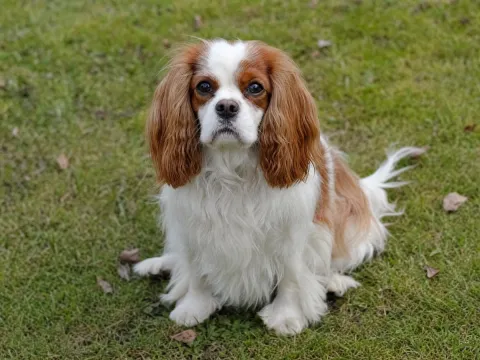
8. Cavalier King Charles Spaniel
4/5A silky-eared lapdog with a spaniel's heart — sweet, gentle, everyone's friend.
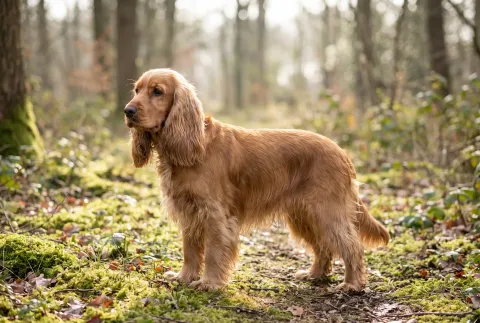
9. English Cocker Spaniel
4/5The merry cocker — a wagging tail with a bird dog attached.
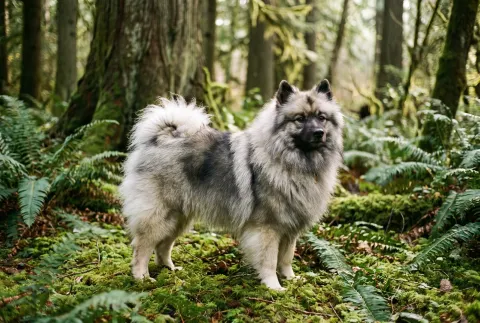
10. Keeshond
3/5The smiling barge dog of the Dutch canals, wearing spectacles it never takes off.
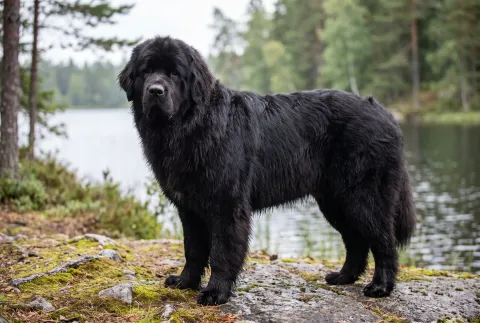
11. Newfoundland
3/5A lifeguard in a bear suit — the gentlest giant the sea ever made.
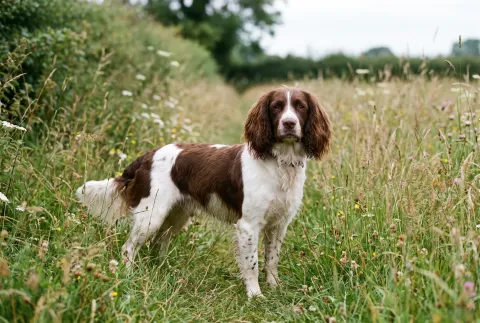
12. English Springer Spaniel
3/5A merry engine of a gundog — sprung tail, busy nose, heart entirely yours.
What makes a great family dog
Look for patience and a high tolerance for handling, a sturdy build that shrugs off clumsy hugs, and a people-first temperament. Size matters less than steadiness — and no matter the breed, always supervise dogs and young children together.
Common questions
Are these breeds guaranteed to be good with kids?
No breed is a guarantee. Temperament is a real, measurable influence — it's what our 'good with children' trait data captures — but individual dogs vary, and training, socialisation and supervision matter as much as the breed on the label. Never leave a dog and a young child together unsupervised, whatever the breed.
What is the real bite risk from a family dog?
Most bites involving children come from a dog the family already knows, usually triggered by pain, fear or a resource being guarded — not random aggression. That's why supervision and reading a dog's warning signs (a stiff body, a tucked tail, turning away) matter more than breed choice on its own.
What's the best dog for very young or small children specifically?
A sturdier, higher-tolerance build handles clumsy toddler hugs and falls better than a small, easily startled breed. Among the picks above, a Labrador, Golden Retriever or Staffordshire Bull Terrier is the classic sturdy choice; a delicate toy breed generally suits an older, gentler child better than a toddler.