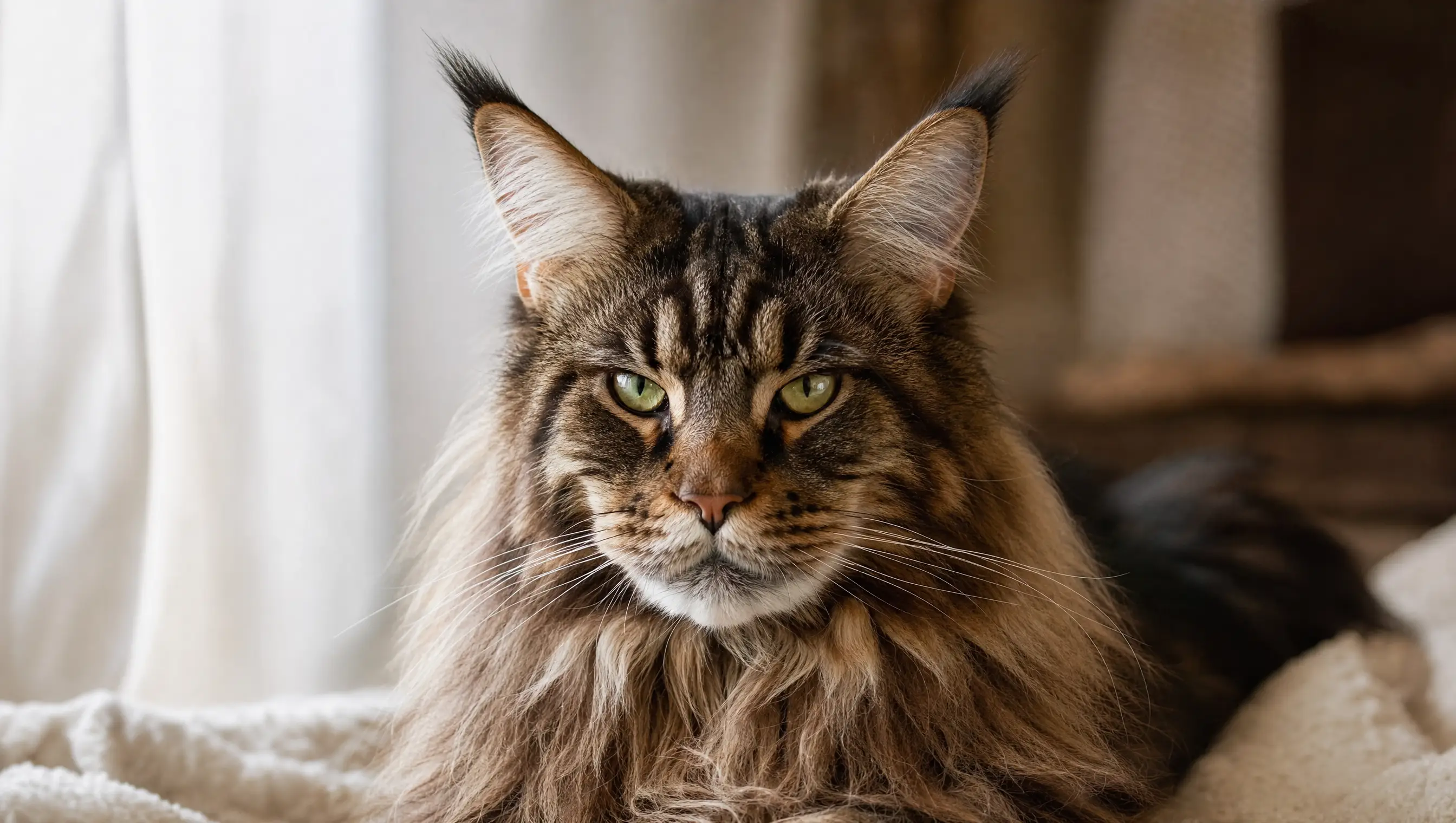
Best family cats
Patient, easygoing breeds that take a busy household and gentle children in their stride — chosen for tolerance of handling, sturdiness and a people-loving nature.
Prefer a personal match? Take the 60-second breed finder →
The ranked shortlist
Hand-picked by our editors using breed trait profiles — scores are out of 5.
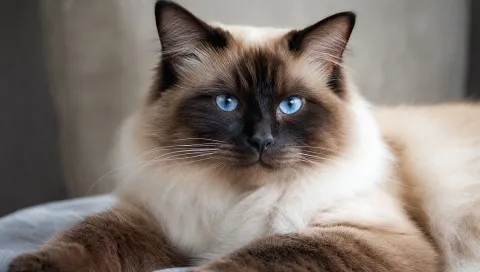
1. Ragdoll
5/5The cat that goes limp in your arms and would rather be underfoot than up high.
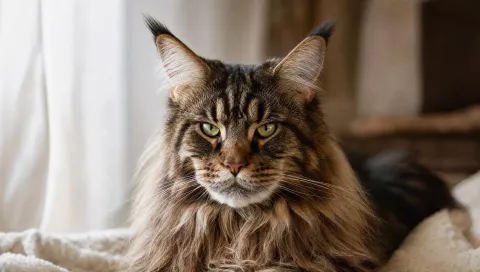
2. Maine Coon
5/5The dog of the cat world — huge, shaggy, and far too friendly to sulk.
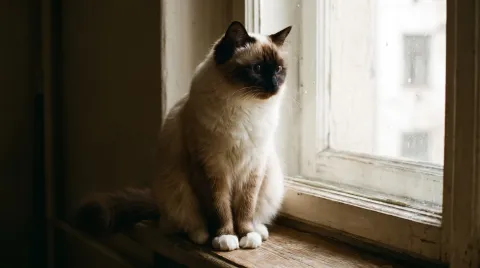
3. Birman
5/5Pointed like a Siamese, calm like nothing else, and wearing four white gloves.
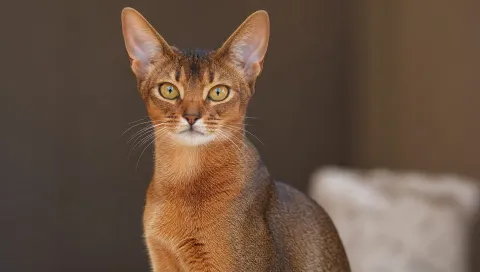
4. Abyssinian
4/5A lean, restless athlete with a coat that looks lit from within — the cat that never quite sits down.
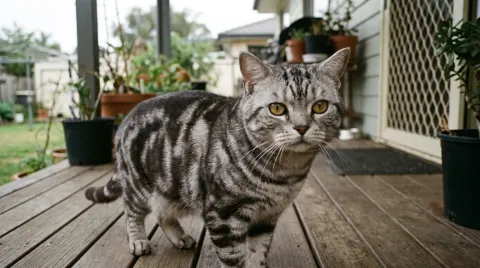
5. American Shorthair
4/5The working cat that stayed a working cat, then had its portrait taken.
What makes a great family cat
The best family cats are tolerant of handling, sturdy enough to shrug off clumsy affection, and genuinely sociable rather than aloof. Temperament matters far more than breed, and every child should be taught to be gentle and to leave a cat that walks away alone — always supervise young children and cats together, and give the cat a high spot to retreat to.
Common questions
Do cats scratch or bite children more than dogs do?
Cats carry sharper claws and can react quickly to being startled or overhandled, so supervision matters just as much as with a dog. Giving the cat an easy escape route — a high perch it can retreat to — and teaching children to let a retreating cat go does most of the work of preventing both.
What's the best cat for a household with toddlers?
A tolerant, sturdy, sociable breed — our top picks above — copes better with unpredictable little hands than a shy or highly strung one. Even the calmest cat still needs supervision with a toddler; neither party reads the other perfectly.
Is an adult cat or a kitten better for a family with young kids?
Often an adult cat with a known, settled temperament. A kitten's claws, teeth and boundless energy can be a lot for a toddler to handle safely, and with an adult cat the personality — patient or skittish — is already visible before you commit.