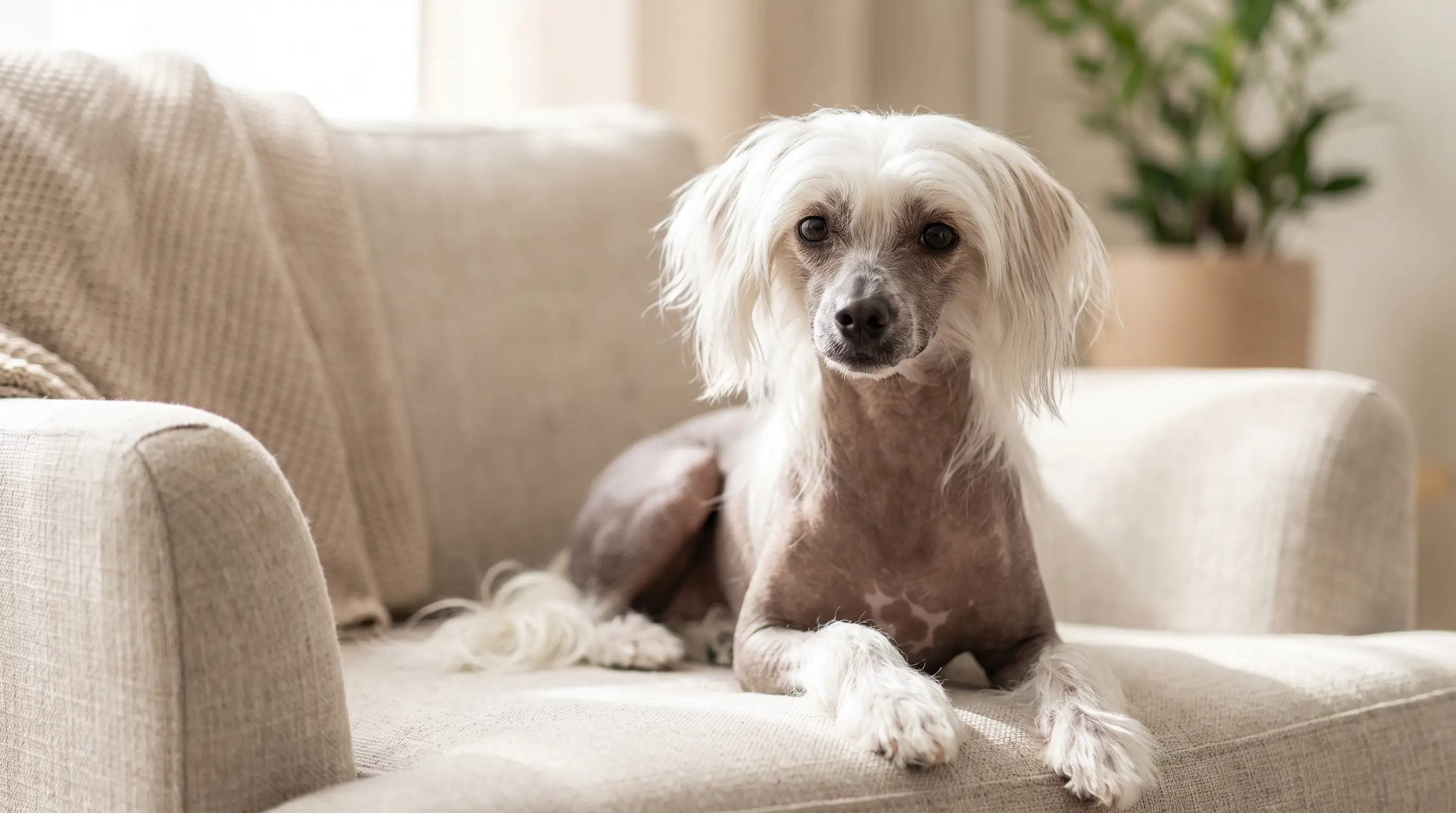
Best dogs for people with allergies
No dog is allergen-free, but hairless and curly-coated breeds carry the least loose hair around a home — the two coat types our own classifier calls the honest top tier for allergy sufferers specifically.
Prefer a personal match? Take the 60-second breed finder →
The ranked shortlist
Hand-picked by our editors using breed trait profiles — scores are out of 5.
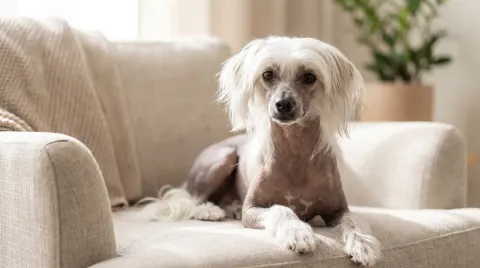
1. Chinese Crested
5/5A warm little shadow in a fur stole — the dog that forgot to grow a coat.
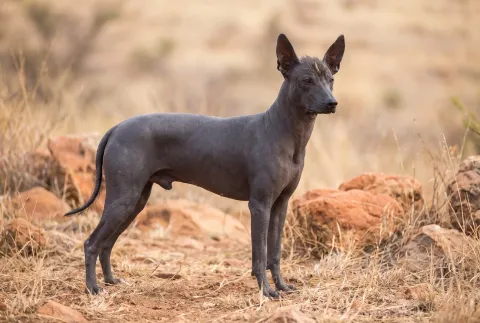
2. Xoloitzcuintli
5/5Three thousand years old and still warm to the touch — Mexico's sacred hairless dog.
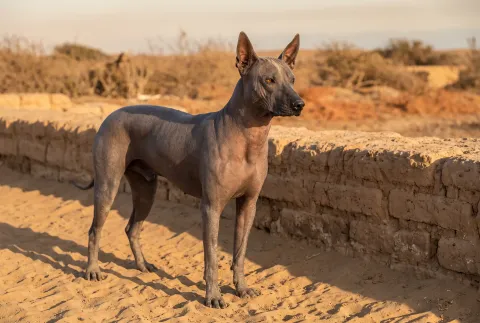
3. Peruvian Hairless Dog
4/5Peru's viringo: bare warm skin, an incomplete smile, and coated puppies in the same litter.
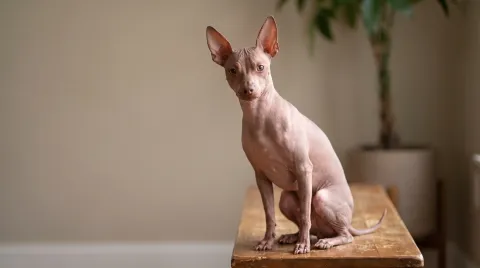
4. American Hairless Terrier
4/5The terrier with nothing to hide — Louisiana's bare-skinned original.
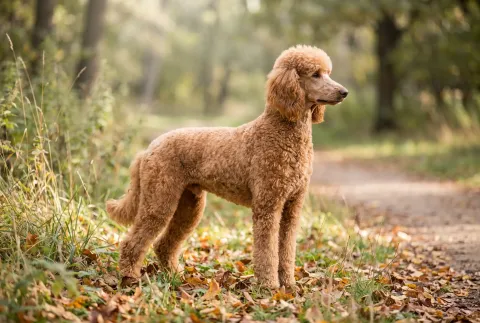
5. Standard Poodle
4/5Brilliant, and quietly low-shedding.
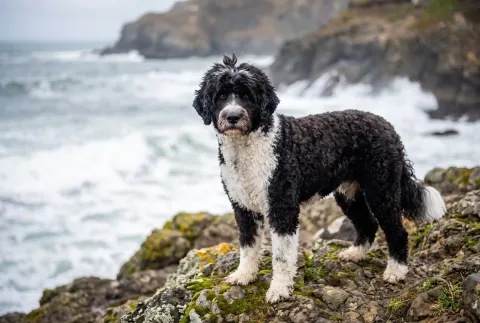
6. Portuguese Water Dog
4/5A fisherman's crewmate in a wetsuit of curls — happiest halfway into the water.
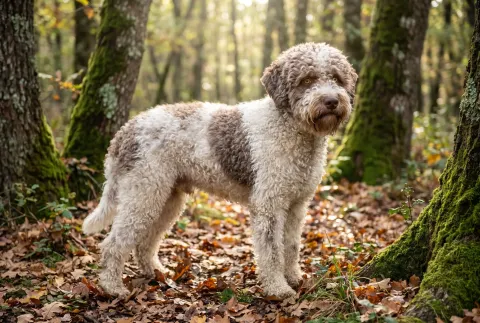
7. Lagotto Romagnolo
4/5Italy's curly truffle hunter — a nose with a very good dog attached.
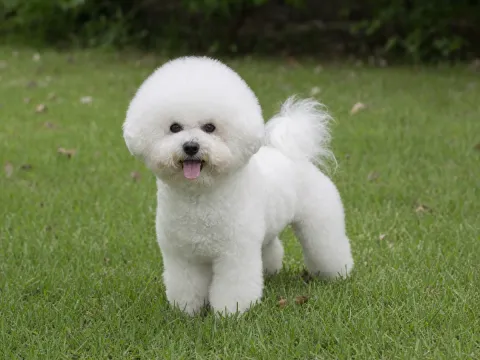
8. Bichon Frisé
3/5A cheerful powder-puff — low-shedding, people-loving and endlessly merry.
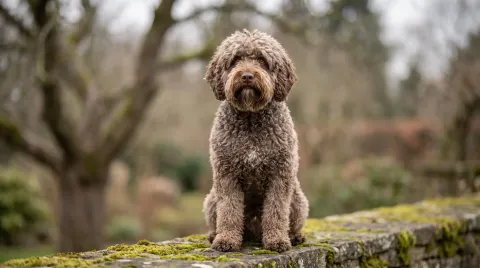
9. Barbet
3/5France's bearded water dog — a curly, cheerful relic that nearly vanished.
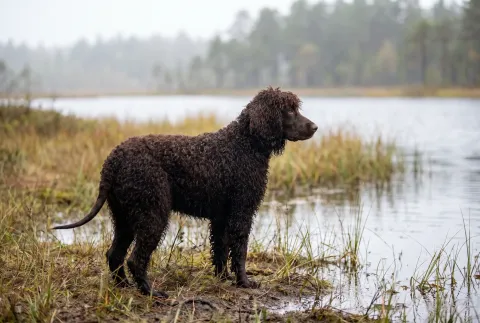
10. Irish Water Spaniel
3/5The clown in the curly brown suit — a rare water dog with a tail like a whip and a heart full of mischief.
Coat type over breed reputation
Dog allergies react mainly to Can f 1, a protein family in saliva, skin dander and urine — not to hair itself, which is why no coat guarantees an allergy-free home. What genuinely helps is a coat that doesn't scatter loose hair around the house: hairless breeds carry none at all, and curly or corded coats trap what they shed instead of spreading it. These picks are every full breed profile our own coat classifier calls hairless or curly — the same data behind the site's low-shedding dogs list, narrowed here to just those two categories, because a wiry terrier coat sheds less than average but still carries loose hair, which matters more for allergies specifically than for general house-tidiness. Always meet the actual dog, more than once if you can, before committing — individual reactions vary far more than breed does.
Common questions
What actually causes dog allergies?
Mainly Can f 1, a protein found in a dog's saliva, skin dander and urine — not the hair itself. It spreads onto the coat during licking and grooming, then sheds into the home along with loose fur, which is why a coat that holds onto its hair helps even though it isn't the source of the allergen.
Is any dog breed truly hypoallergenic?
No. Every dog produces some Can f 1 regardless of coat, so 'hypoallergenic' is always a matter of degree. What the breeds above offer is measurably less loose hair carrying that allergen around your home — a real, useful difference, not an allergy-free promise.
What's the difference between a hairless dog and a curly-coated dog for allergies?
A hairless breed has essentially no loose hair to carry the allergen at all, though it still produces dander and saliva. A curly or corded coat traps shed hair instead of scattering it, which is why regular grooming — often professional clipping or hand-stripping — is part of the deal for those breeds.
How can I tell if I'm allergic to a specific dog before adopting?
Spend real time with the actual dog, ideally more than one visit, since reactions vary by individual animal and person far more than by breed. An allergist can also run a skin or blood test for dog dander in advance, which is worth doing before committing to a breed on reputation alone.
What else helps manage dog allergies at home?
A HEPA air filter, regular bathing and grooming (ideally outdoors or by someone without the allergy), keeping the dog out of the bedroom, washing hands after contact, and vacuuming with a HEPA filter all help cut down the allergen load, on top of choosing a breed that carries less loose hair.