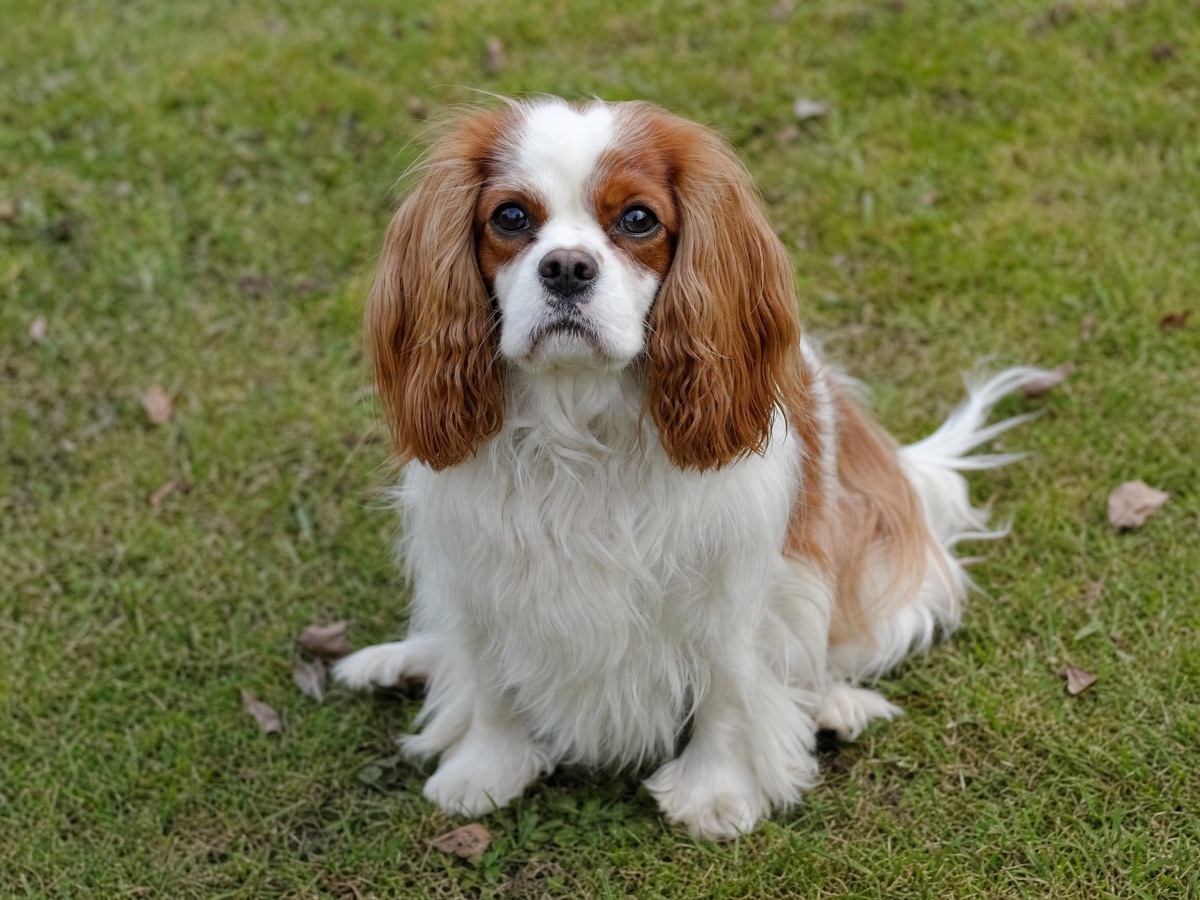
Best dogs for seniors
Manageable size, easy grooming and a level, biddable temperament — ranked straight from our breed trait data on energy, size, grooming and trainability, not from reputation.
Prefer a personal match? Take the 60-second breed finder →
The ranked shortlist
Hand-picked by our editors using breed trait profiles — scores are out of 5.
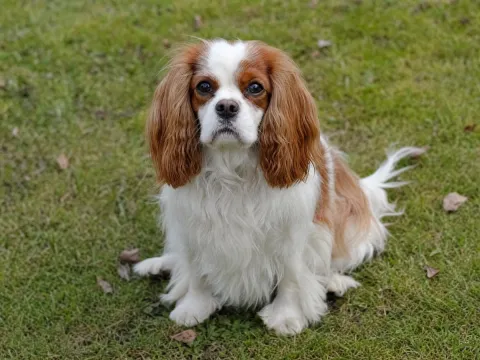
1. Cavalier King Charles Spaniel
5/5A silky-eared lapdog with a spaniel's heart — sweet, gentle, everyone's friend.
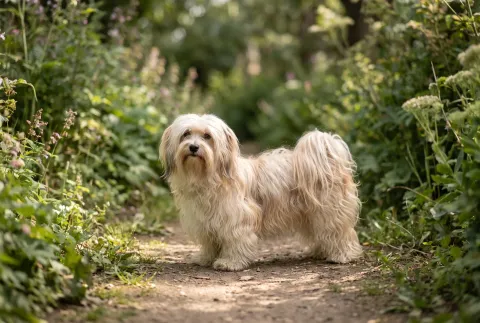
2. Havanese
5/5Havana's silk-coated charmer — a small dog with a headline personality.
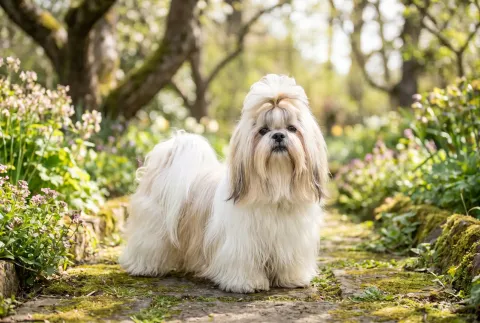
3. Shih Tzu
4/5A lion in miniature, bred for a thousand years of laps.
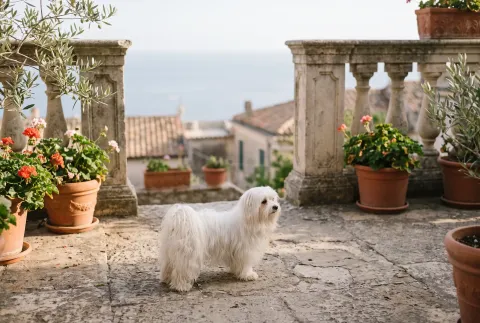
4. Maltese
4/5Two thousand years of lapdog perfection in a cloud of white silk.
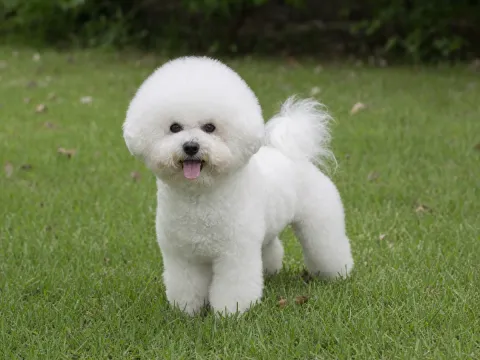
5. Bichon Frisé
4/5A cheerful powder-puff — low-shedding, people-loving and endlessly merry.
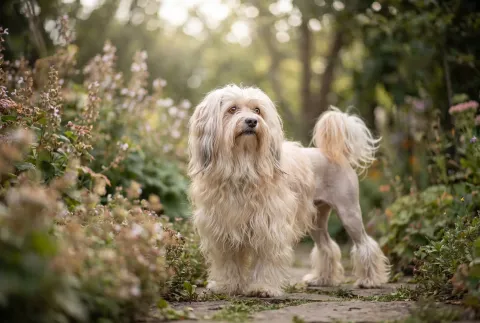
6. Lowchen
4/5The little lion dog — clipped like royalty, rare as it looks.
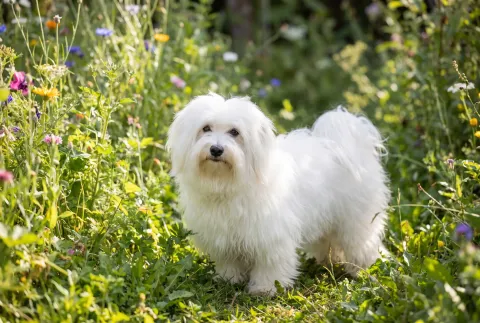
7. Coton de Tulear
4/5A cloud of cotton with a comedian's timing.
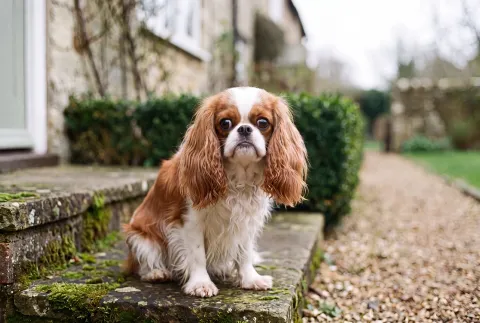
8. King Charles Spaniel
3/5The older court spaniel, the one the Cavalier was bred back away from.
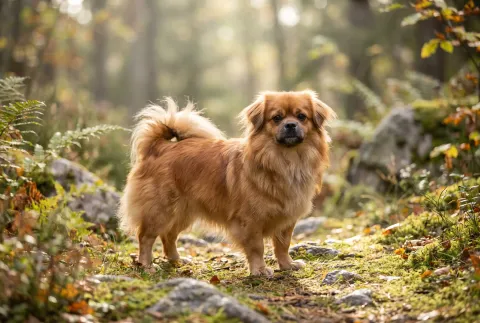
9. Tibetan Spaniel
3/5The monastery's little lion — a lap-sized lookout with a cat's soul.
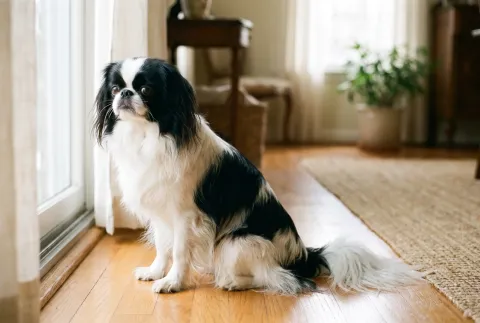
10. Japanese Chin
3/5A silk-robed courtier that thinks it might be a cat.
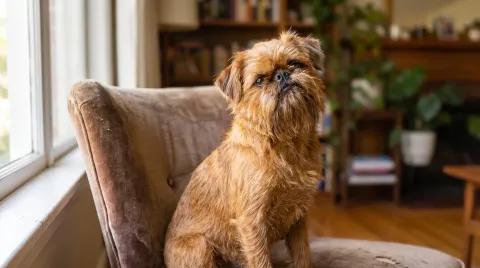
11. Brussels Griffon
3/5A pocket-sized curmudgeon with an almost-human face and a heart set entirely on you.
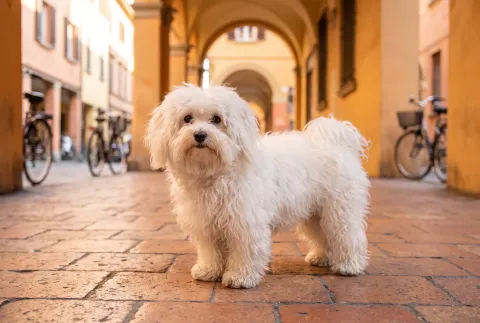
12. Bolognese
3/5A calm white companion from Bologna, painted by Titian and happiest at your side.
What actually matters for an older owner
Four things make a dog easier to live with later in life: low energy (fewer demanding walks), a small-to-moderate size (easier to lift, steady on a lead, less to feed), an easy-care coat (fewer awkward grooming sessions), and high trainability (a predictable, biddable dog has fewer surprises). We ranked every full breed profile on exactly those four data points. One honest exclusion: a couple of breeds scored well on paper but carry flat-faced airways prone to breathing trouble and heat sensitivity, which tends to mean more vet visits — we left them off on purpose. An older or adult rescue dog is often the calmest match of all, since its temperament is already known — see our guide to adopting a senior pet.
Common questions
What makes a dog easy to care for as you get older?
Low energy needs, a manageable size for lifting and lead-handling, a low-grooming coat, and a biddable, predictable temperament — the same four traits (energy, size, grooming, trainability) we ranked this list on, straight from our breed data.
Are small dogs always better for seniors?
Usually easier to lift and handle, but small isn't the same as calm — plenty of small terrier-type breeds run high on our energy scale. A sturdier, genuinely low-energy dog can suit an active senior just as well; the temperament and energy score underneath matter more than the number on the scale.
How much exercise does a senior-friendly dog need?
Most breeds on this list score low-to-moderate on our energy scale — generally a couple of short walks a day plus some play, not miles of running. They're still real dogs that need daily movement, so check with a vet first if your own mobility is limited too.
Is an older rescue dog a better fit than a puppy?
Often, yes. An adult or senior rescue dog comes with a known, settled temperament and skips the demanding puppy months — housetraining, chewing, disrupted sleep — which can suit an owner who wants calm companionship without the training workload. See our guide to adopting a senior pet.