Best hypoallergenic cats
No cat is truly hypoallergenic, but some produce less of the Fel d 1 allergen or shed far less — the breeds most often tolerated by mild allergy sufferers, with honest caveats.
Prefer a personal match? Take the 60-second breed finder →
The ranked shortlist
Hand-picked by our editors using breed trait profiles — scores are out of 5.
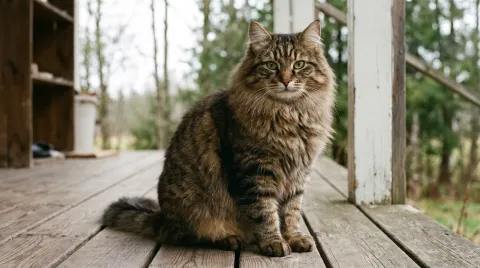
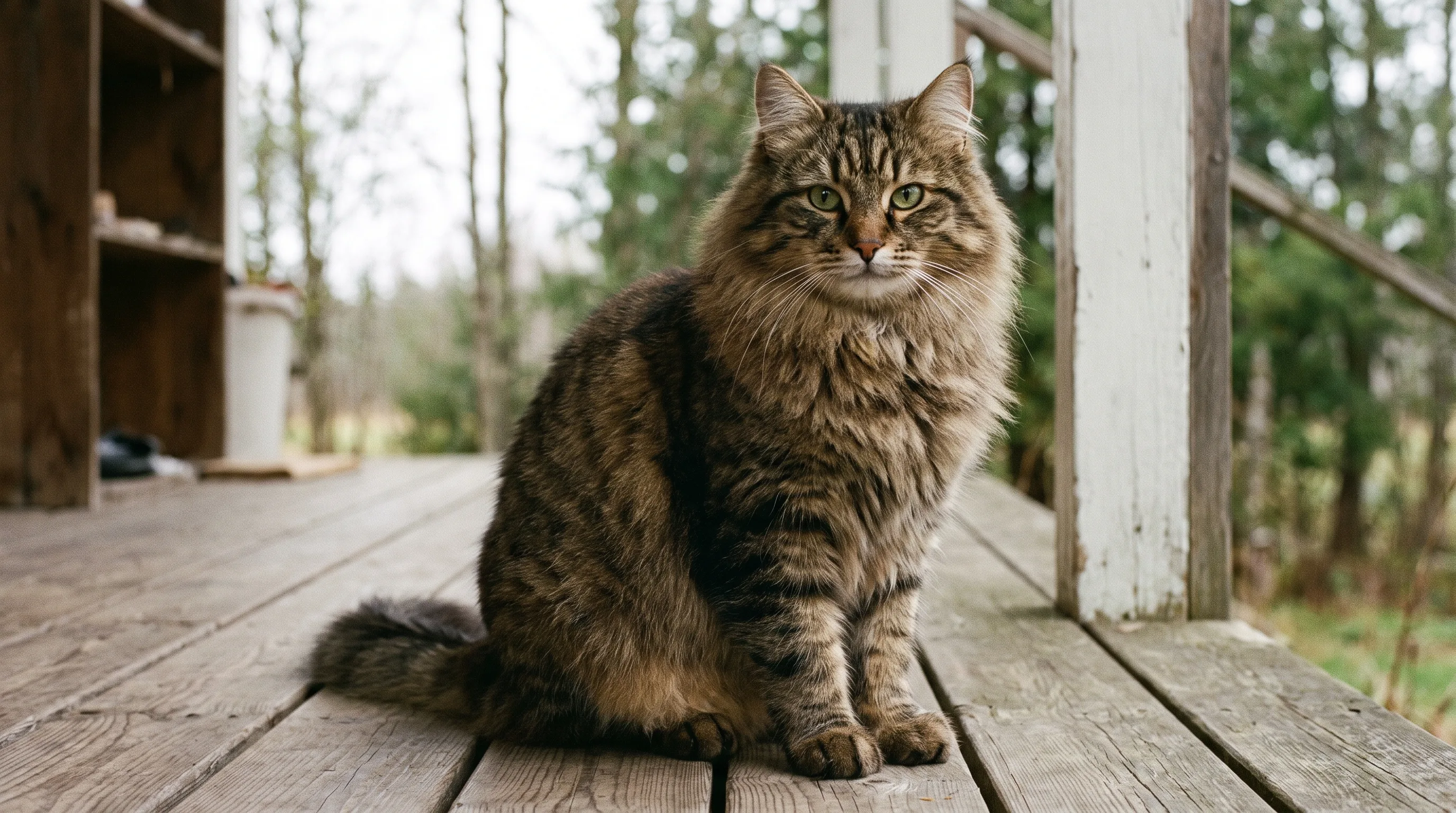
1. Siberian
5/5Built for a Russian winter, and still convinced your bathroom sink needs supervising.
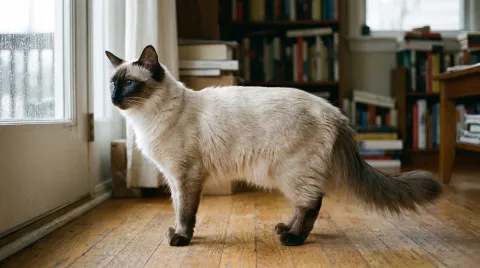
2. Balinese
4/5A Siamese in a silk coat: same volume, same opinions, twice the tail.
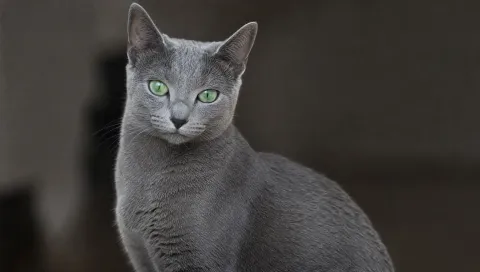
3. Russian Blue
4/5Quiet, plush and cautious — a cat that earns its way to you rather than leaping into your arms.
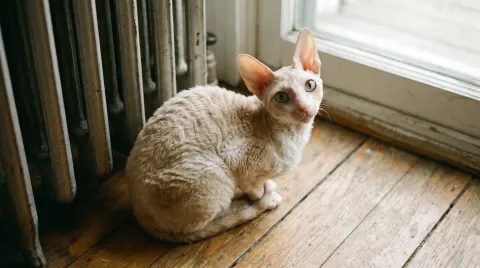
4. Cornish Rex
4/5All undercoat and no overcoat, on a body built like a whippet.
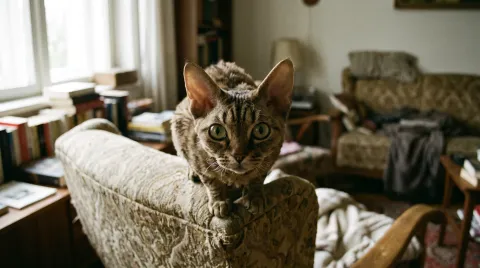
5. Devon Rex
3/5Enormous ears, a pixie face, and a cat that treats your shoulders as its address.
'Hypoallergenic' is a myth — but some cats help
Cat allergies are caused mainly by Fel d 1, a protein in saliva and skin that spreads onto the coat during grooming — not by hair itself, which is why no cat is truly hypoallergenic. Some breeds, like the Siberian and Balinese, are reported to produce less Fel d 1; others, like the Rex breeds and Sphynx, shed little coat to carry it around. Females and neutered males tend to produce less. Always spend time with the actual cat before committing, and manage allergies with grooming, air filtering and clean hands.
Common questions
Is there really a hypoallergenic cat?
No. Every cat produces some Fel d 1, the protein behind most cat allergies, so 'hypoallergenic' is always a matter of degree, never a guarantee. The breeds above are the ones most often tolerated by people with mild allergies — not an allergy-free promise.
How can I tell if I'm allergic to a specific cat before adopting?
Spend real time with the actual cat, ideally more than one visit, since reactions vary by individual animal and person far more than by breed. An allergist can also run a skin or blood test for cat dander in advance, which is worth doing before committing to a breed on reputation alone.
Do female cats cause fewer allergies than males?
On average, yes — females and neutered males tend to produce less Fel d 1 than intact males. It's a real pattern, but a modest one against how much reactions vary between individual cats, so it shouldn't be the deciding factor on its own.