Terriers
The rascals of the dog world — bred to dig out and dispatch vermin, and wired with the nerve to match. Bold, feisty and endlessly game, they pack huge personality (and a stubborn streak) into mostly small frames.
Traits of the group
Popular breeds

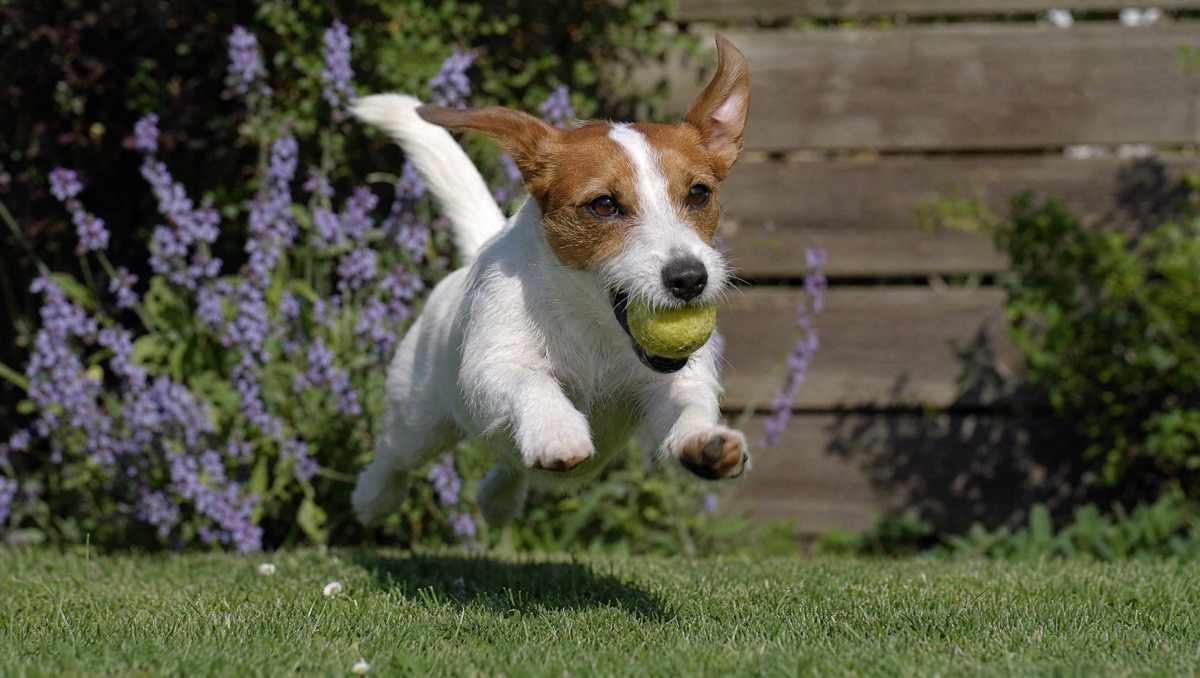
Jack Russell Terrier
CommonA big dog in a small body.
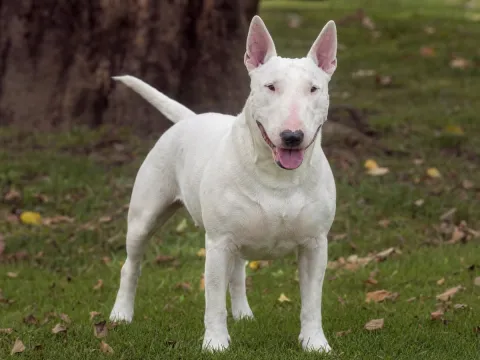
Bull Terrier
UncommonThe goofy egg-headed clown.

West Highland White Terrier
UncommonA perky white ratter.

Airedale Terrier
RareThe King of Terriers.

Staffordshire Bull Terrier
UncommonThe soppy, kid-loving 'nanny dog'.
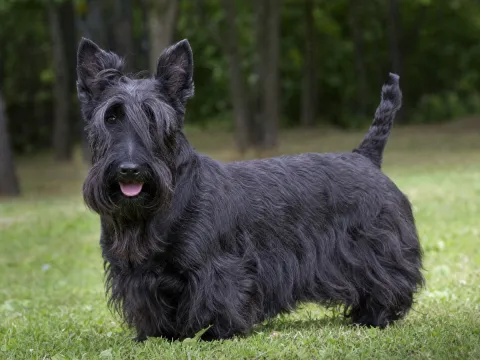
Scottish Terrier
UncommonThe dignified, bearded little laird.
Every breed in this group (37)
























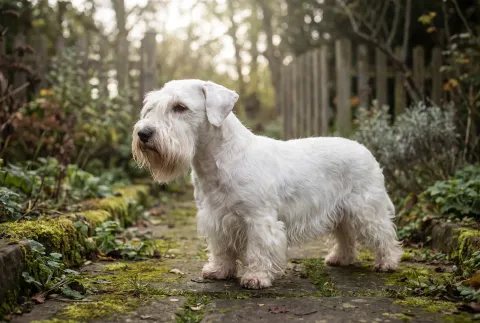
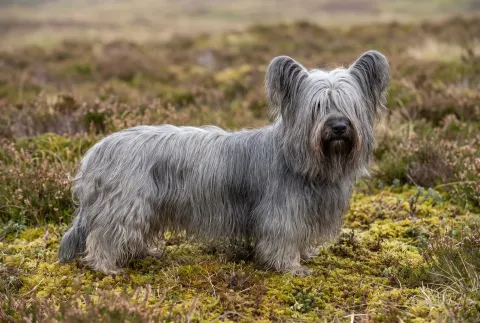




No breeds match those filters — try removing one.
Common questions
What are terrier dogs?
Terriers were bred to hunt and kill vermin — rats, badgers, foxes — often by digging them out of burrows, which is where the feisty, dig-happy, prey-driven personality comes from. Jack Russells, Bull Terriers, West Highland Whites, Airedales and Scottish Terriers are all terrier breeds, mostly compact but big on nerve.
Are terriers good with cats and other small pets?
Not guaranteed, and it depends heavily on the individual dog and how early it's socialised. Terriers were bred specifically to chase and dispatch small animals, so a strong prey drive toward cats, rabbits or rodents is common; early, careful introductions matter more here than in most groups.
Are terriers good family pets?
Yes, for the right family — they're loyal, funny and endlessly game, and breeds like the Staffordshire Bull Terrier are famously gentle with children. Expect a stubborn streak and a dog that needs consistent rules, since terriers were never bred to simply follow orders.
Are terriers easy to train?
They're clever, which isn't the same as compliant. Terriers are independent thinkers bred to make split-second decisions underground without a handler, so training works best short, upbeat and reward-based — a bored terrier disengages fast.
Do terriers bark a lot?
Most do. They were bred to alert a handler to what was moving underground, and that vocal, on-guard instinct carries into everyday life — terriers tend to sound off at noises, strangers and other dogs more readily than calmer breeds.
How much exercise do terriers need?
Moderate to high, and it needs to include something for the brain, not just the legs. A bored terrier digs, chews or escapes to find its own entertainment, so a walk plus a game, a dig pit or scent work keeps most of them out of trouble.
FCI groups
These are the AKC's seven groups. Most of Europe files dogs by the FCI's ten: