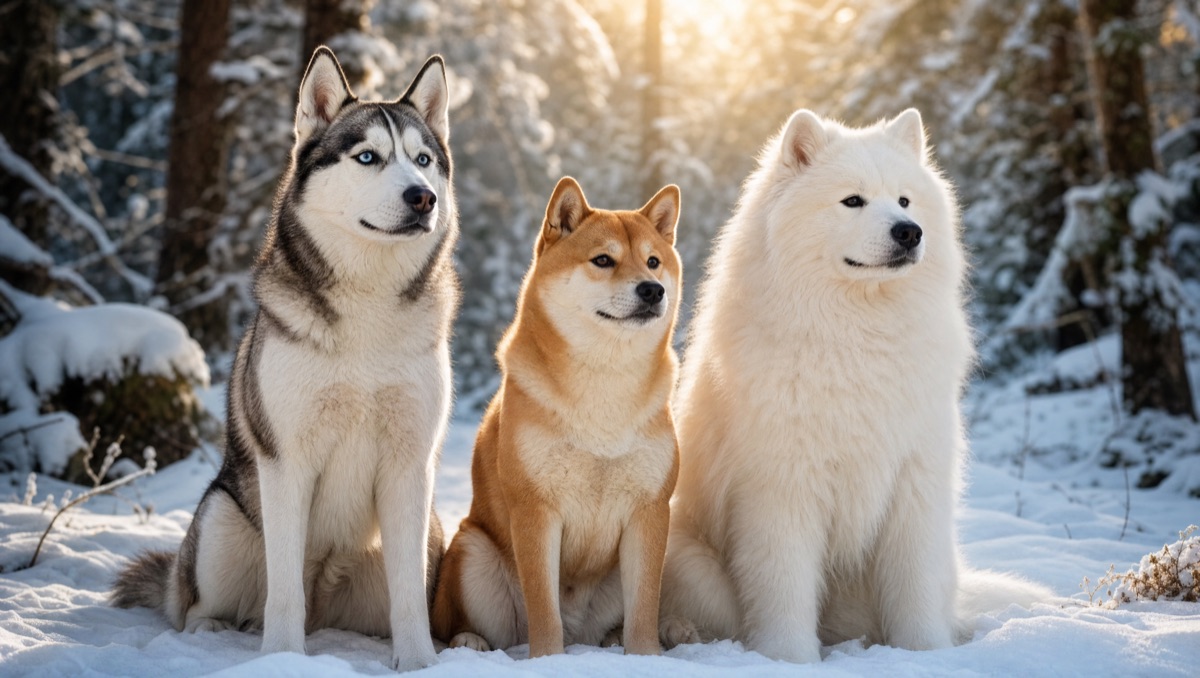
Spitz & primitive dogs
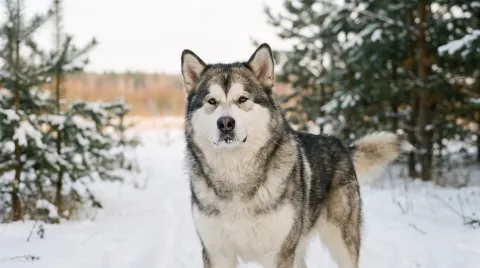
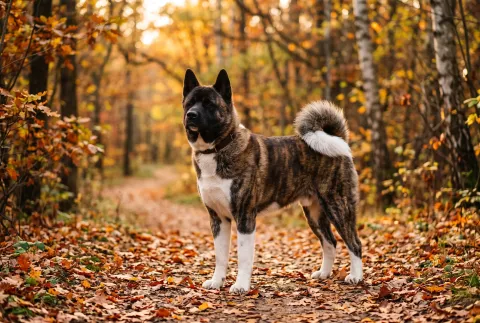
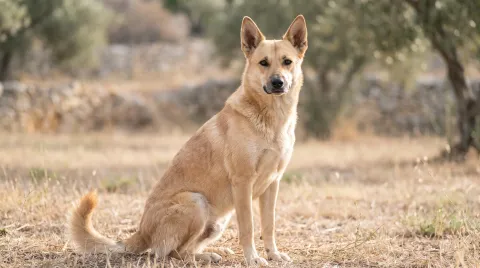
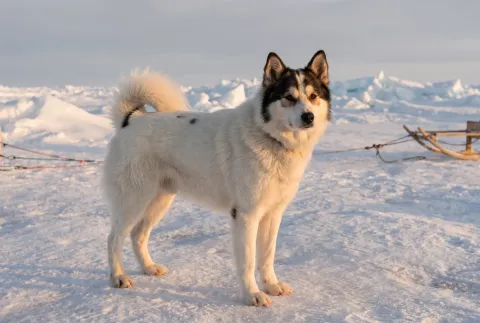
Fox-like faces, thick double coats, curled tails and a fiercely independent streak. Among the most ancient dogs alive — and the most photogenic in the deck.
Traits of the group
Popular breeds

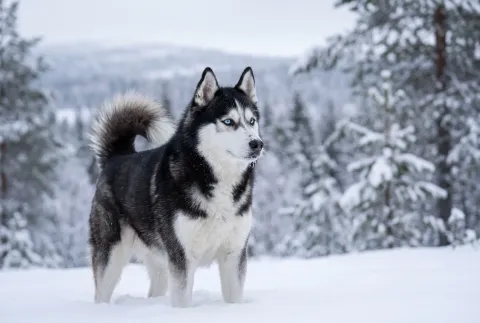
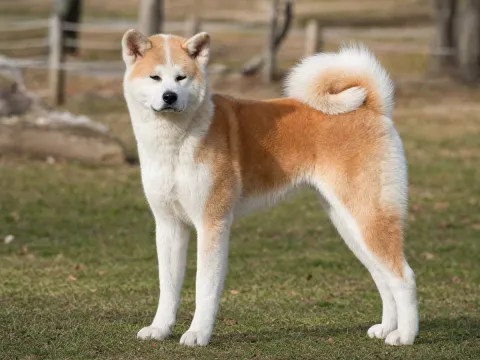
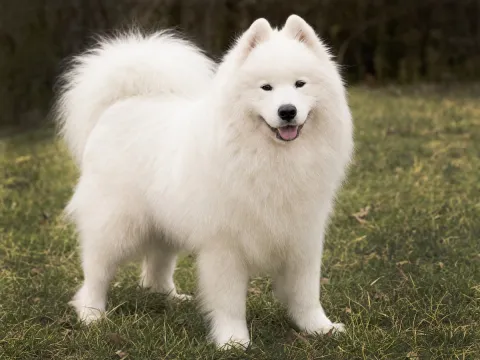
Every breed in this group (49)

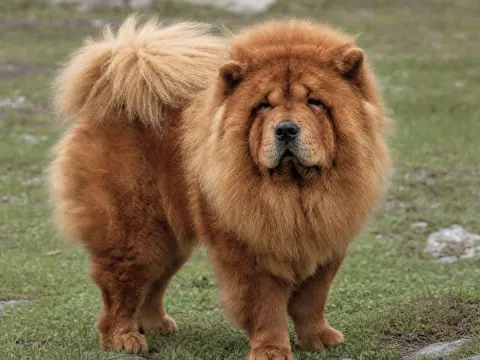
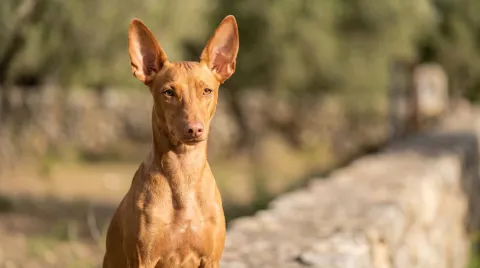
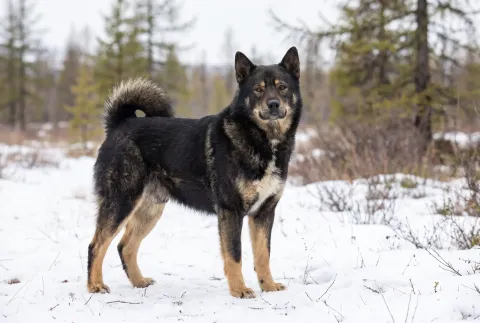
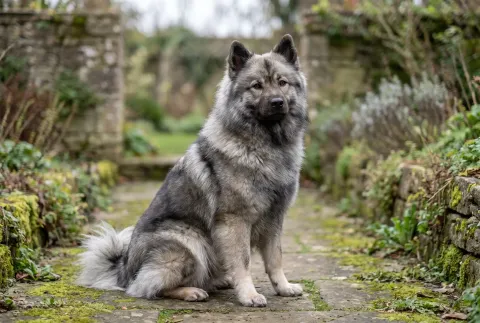
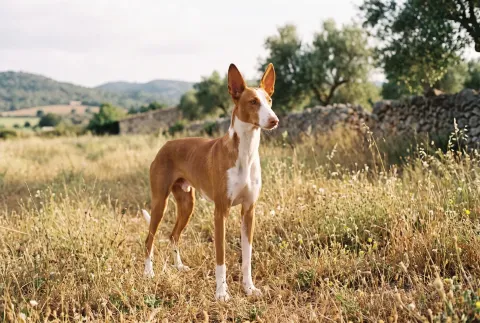
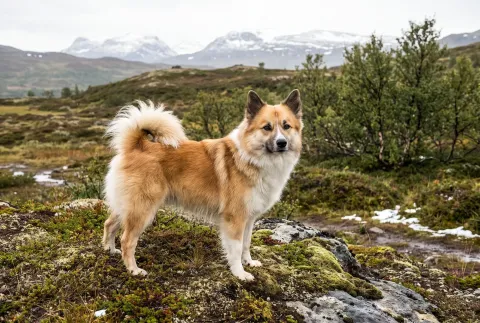
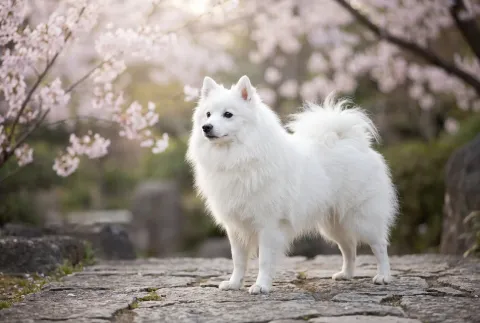
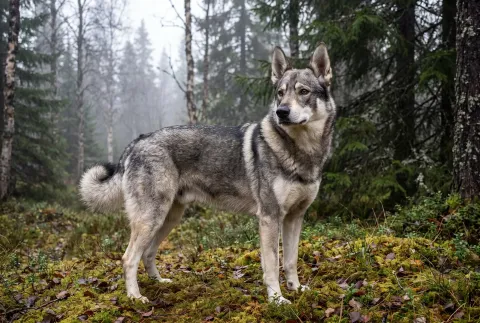
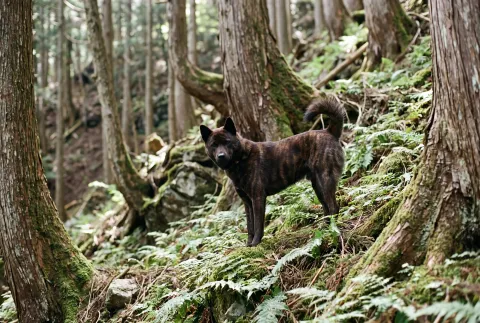
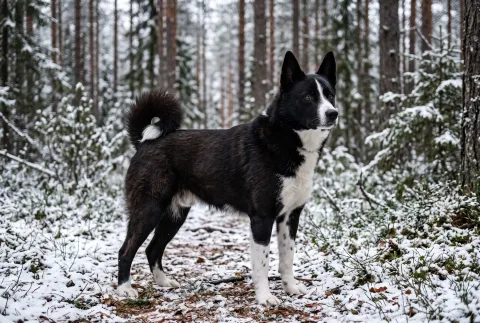
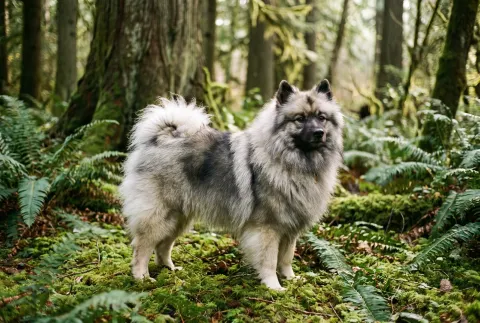
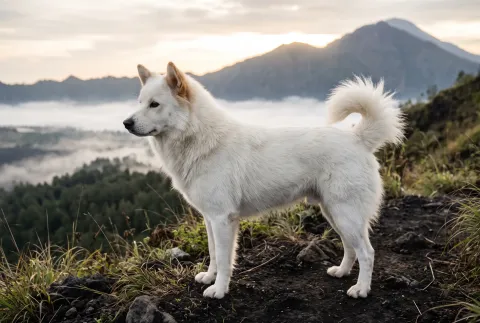
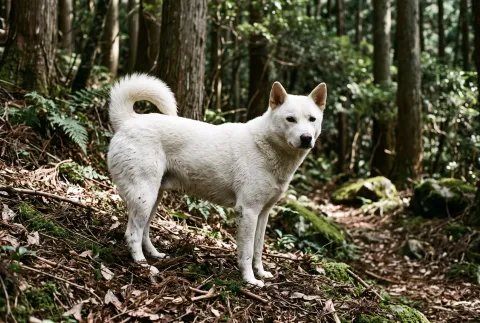
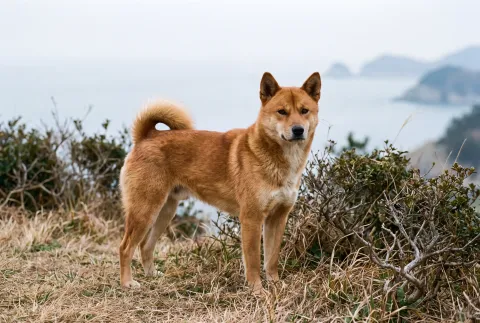
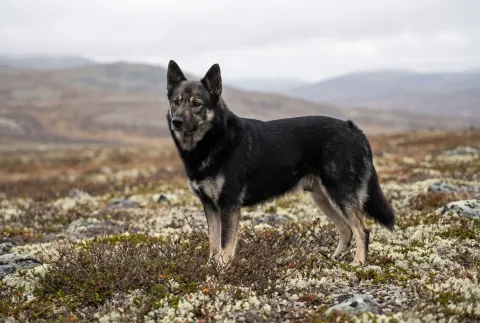
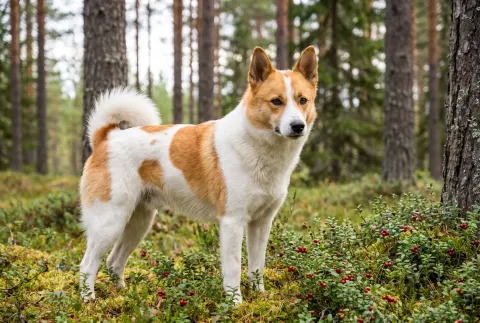
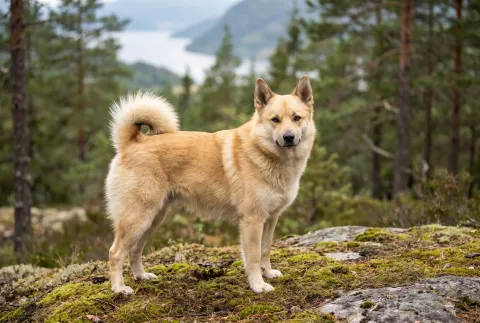
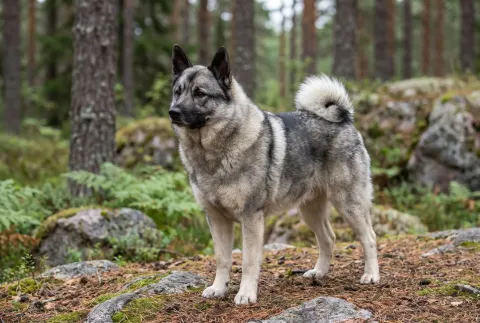
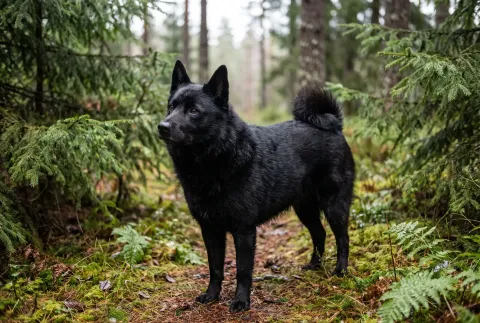
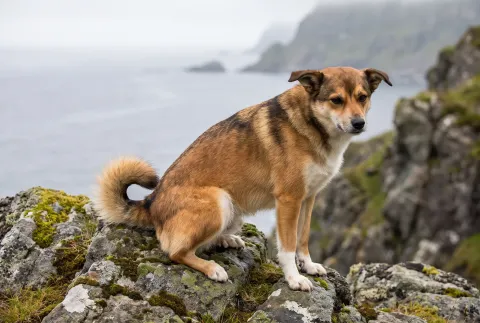
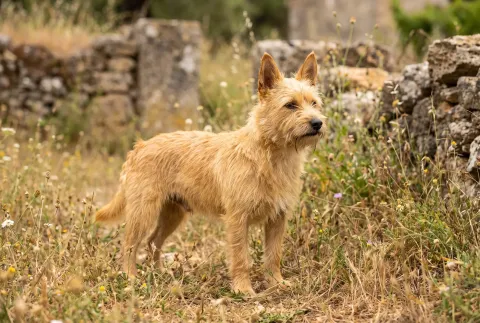
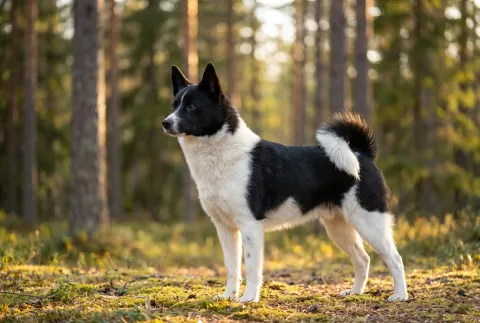
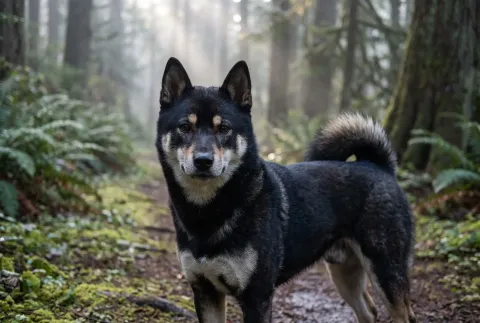
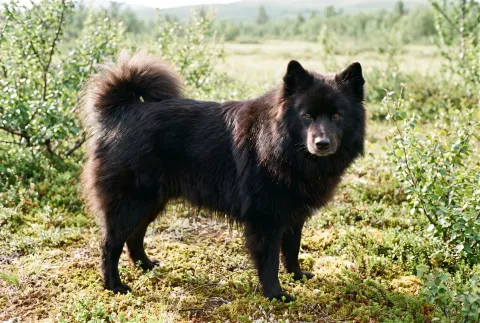
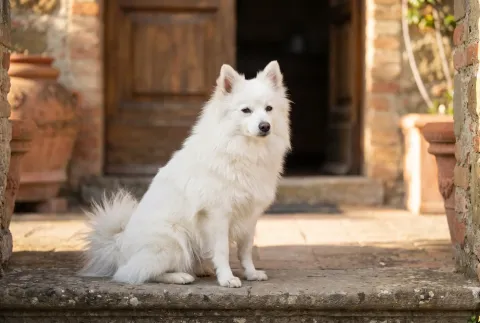
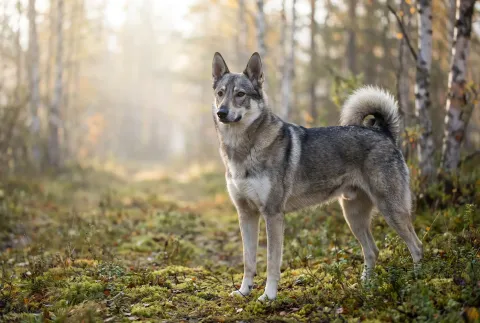
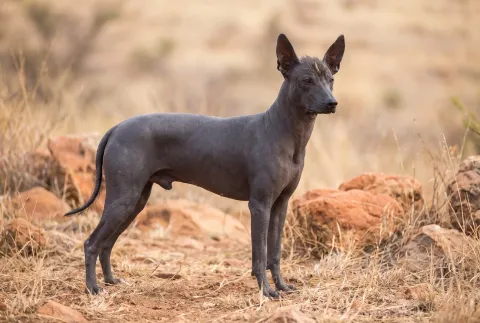
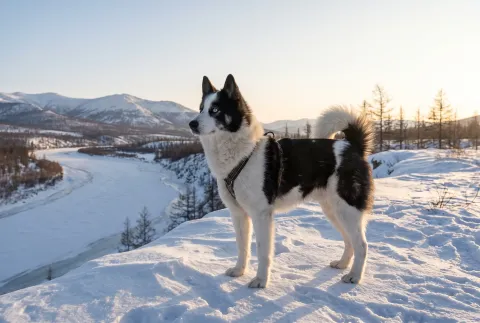
No breeds match those filters — try removing one.
Common questions
What is a spitz dog?
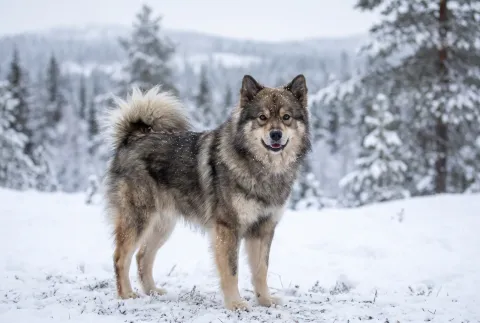
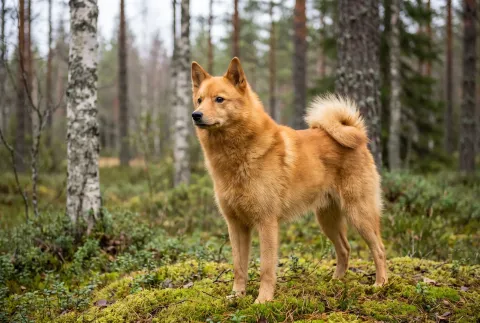
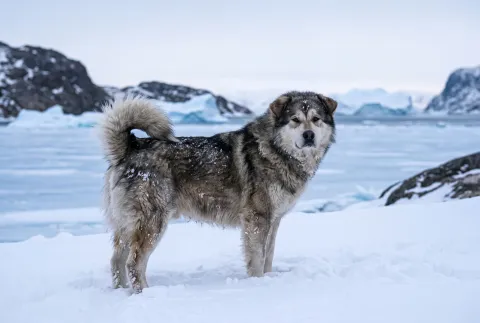
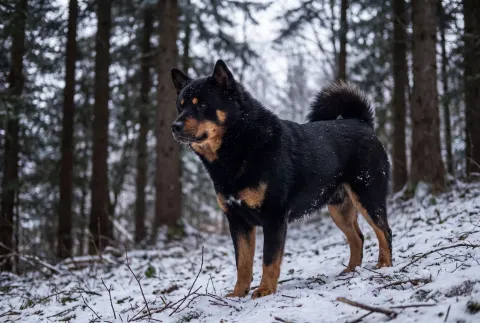
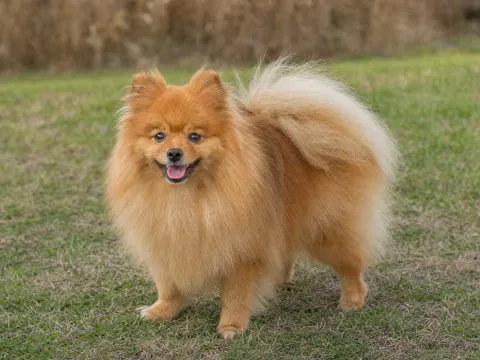
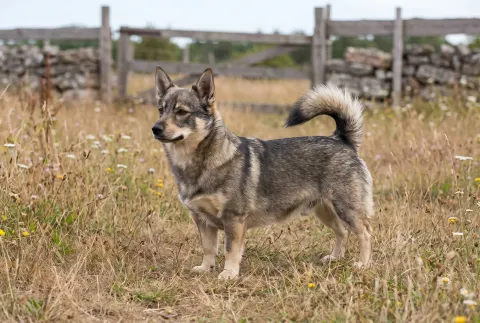
Spitz is a dog type, not a breed — pointed, erect ears, a fox-like face, a thick double coat and a tail that curls up over the back. Siberian Huskies, Akitas, Samoyeds, Shiba Inus and Pomeranians are all spitz breeds, among the oldest dog types alive and built for cold climates.
Are spitz dogs good family pets?
Often, yes — many are affectionate and devoted to their people. They also tend toward independent thinking, a trait left over from working at a distance from a handler (pulling a sled, guarding livestock alone), so they need consistent training rather than a purely obedience-first approach.
Do spitz breeds shed a lot?
Yes, heavily — the thick double coat blows out in a serious seasonal shed, usually spring and sometimes autumn too. Regular brushing through the year, and near-daily during a blowout, keeps it manageable. Never shave a spitz coat; it protects against both cold and heat.
Are spitz dogs easy to train?
Not the easiest of the groups. Spitz breeds were bred to work with real independence — a sled dog or a livestock guardian can't wait for instructions every few seconds — so they're intelligent but often more stubborn than a herding or sporting breed. Short, engaging sessions work better than repetition.
Why do spitz dogs howl and "talk" so much?
It's part of the type — Siberian Huskies are famous for a range of vocal sounds close to talking, and the Shiba Inu has its own startled "scream." The trait likely traces back to close-pack living and long-distance communication in their original working roles.
Do spitz breeds do well in hot weather?
Not naturally — that thick double coat is built for snow, not summer. In hot climates, plan for shaded rest, plenty of water and exercise scheduled around the cooler parts of the day rather than midday heat.
FCI groups
These are the AKC's seven groups. Most of Europe files dogs by the FCI's ten: